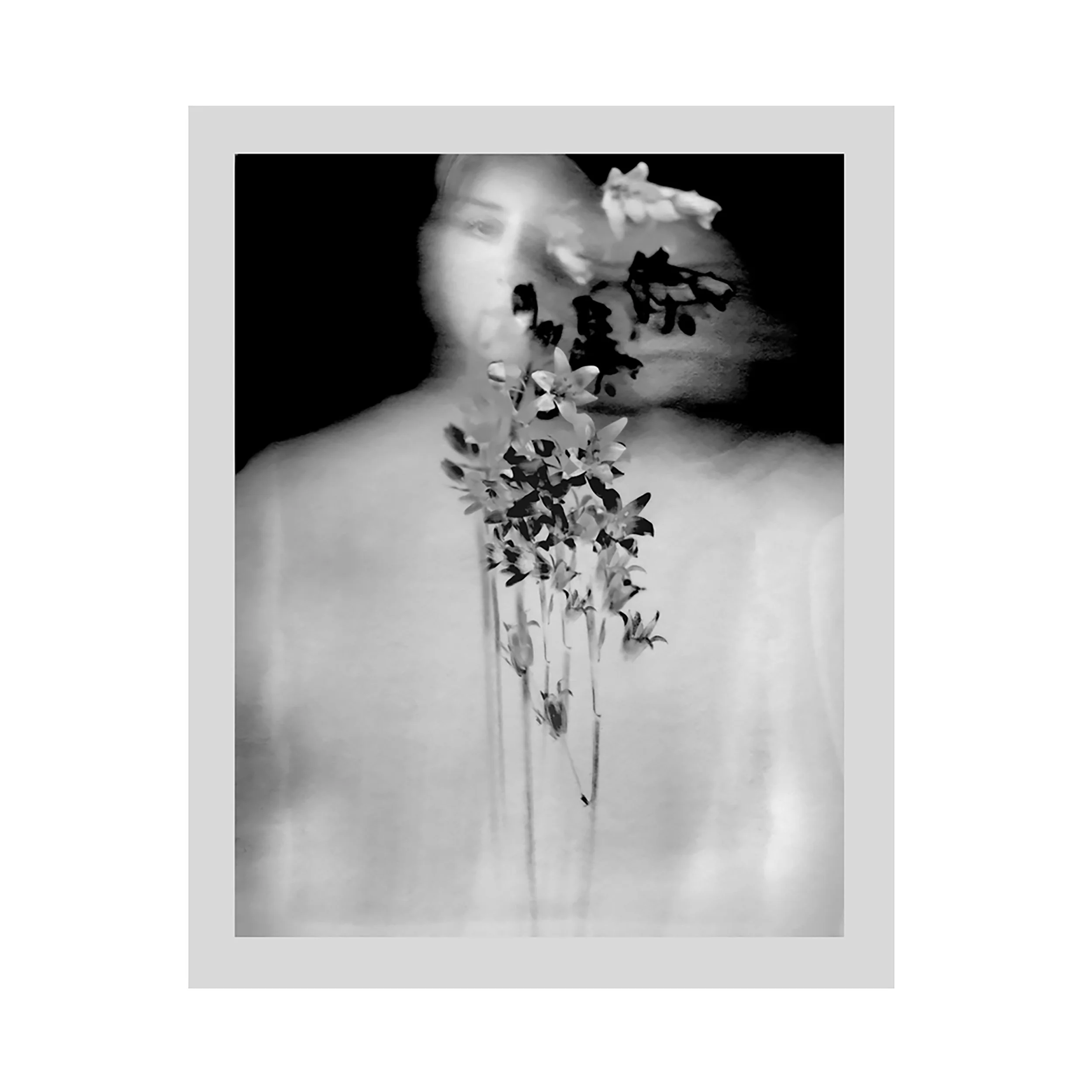
The Understory II
Developed between 2021 and 2026, The Understory II is a multidisciplinary project spanning portraiture, landscape and still life. The narrative is not simple; instead, it traces an arc between what has been inherited and what might be possible. Some photographs linger on the remnants of historical landscapes; others open into moments where change feels tangible. The work acknowledges the past not as a fixed anchor, but as a landscape that can be revisited, questioned, and reshaped.
This project explores a distinct yet interconnected relationship between people, nature, and the legacies that shape our environments.
The portraits examine the relationship between women and the natural world through the lens of climate inequality and gendered vulnerability. The work addresses the complex ways women engage with nature and highlights the growing recognition that women’s participation is essential in environmental decision‑making. These images position women not only as subjects affected by climate change but also as agents whose experiences and knowledge reshape conversations around environmental justice.
Through the interplay of sculptural elements and organic forms, this chapter creates a visual dialogue. Together, these compositions reflect on botany’s deep entanglement with colonial histories shaped by the extraction of plants, land, and labour. Drawing on the visual language of Dutch still-life painting—once used to celebrate colonial wealth and global trade—the images intentionally deconstruct the genre to unsettle its narrative. Uneven brushstrokes interrupt expectations of precision and abundance, acting as a visual metaphor for a past marked by omission, imbalance, and the selective telling of history.
he landscapes of royal palace gardens at Hampton Court become a site for investigation. These gardens, steeped in imperial symbolism, reveal how power, dominance, and cultural identity are inscribed into the shaping of nature itself. By engaging with these emblematic spaces, the work exposes the tension between their aesthetic beauty and the political structures they were designed to reinforce, inviting viewers to reconsider the landscapes’ role in the production of historical memory.
Underlying this project is a desire to acknowledge the histories embedded in horticulture while moving towards a more diverse, inclusive, and equitable future