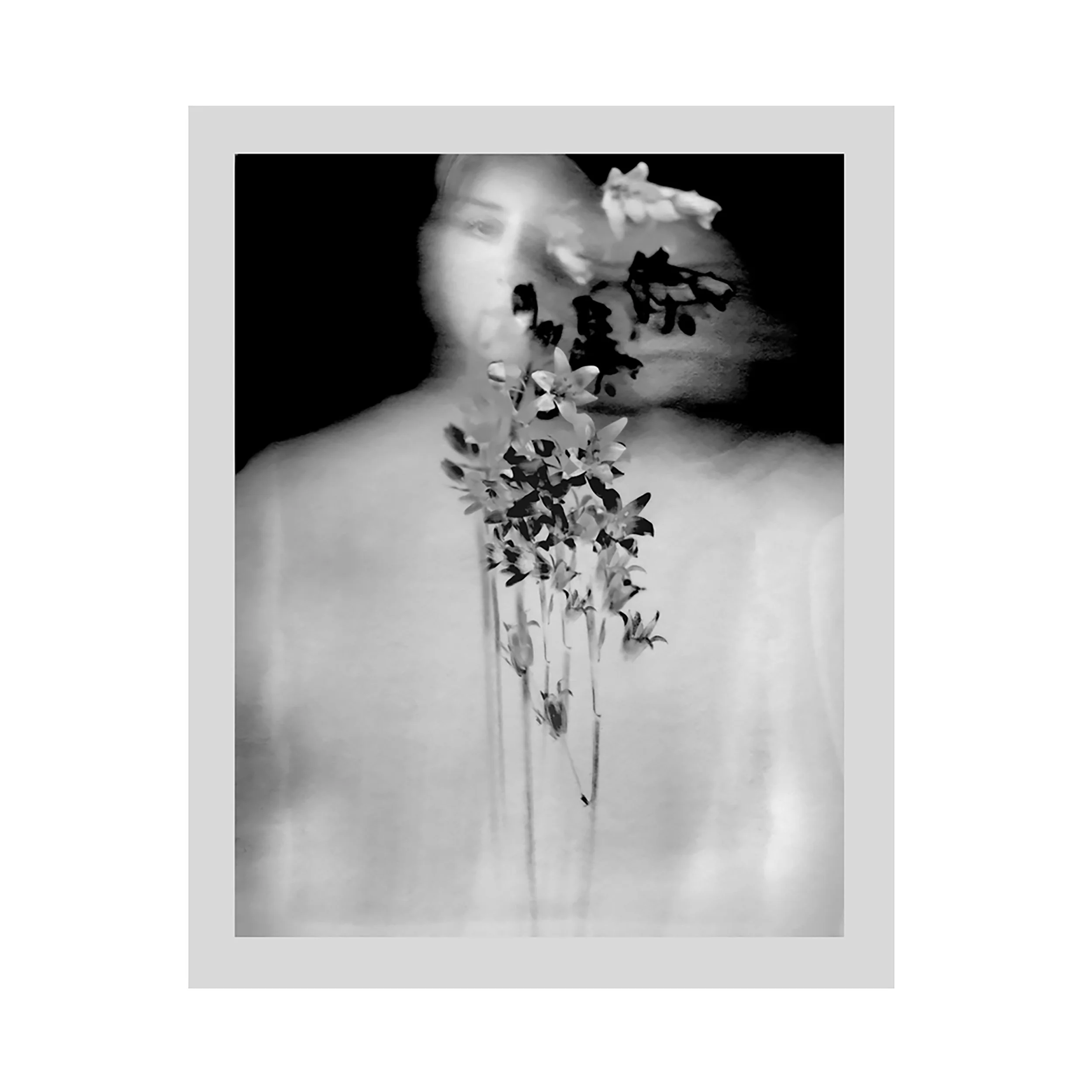
The Understory II
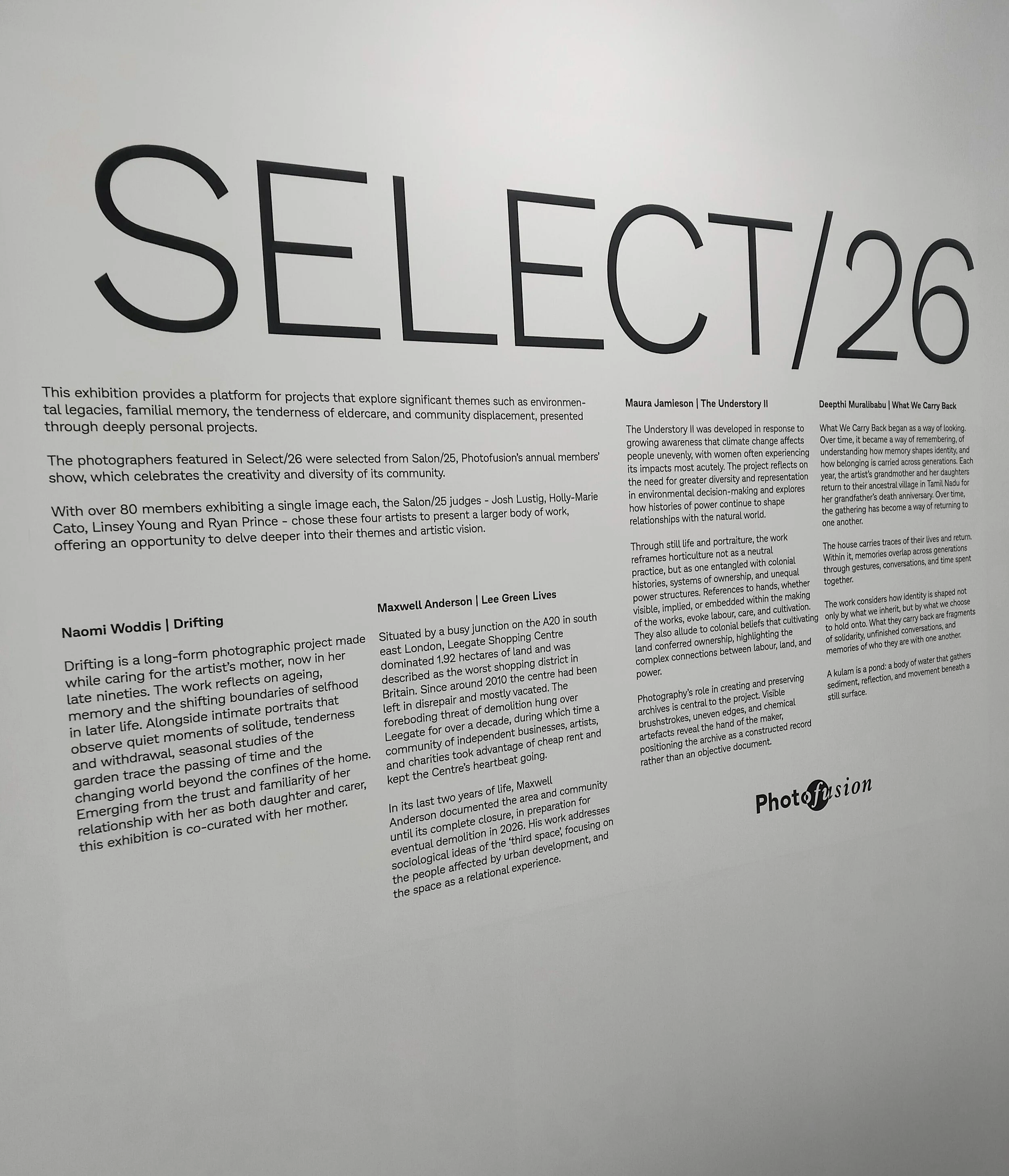
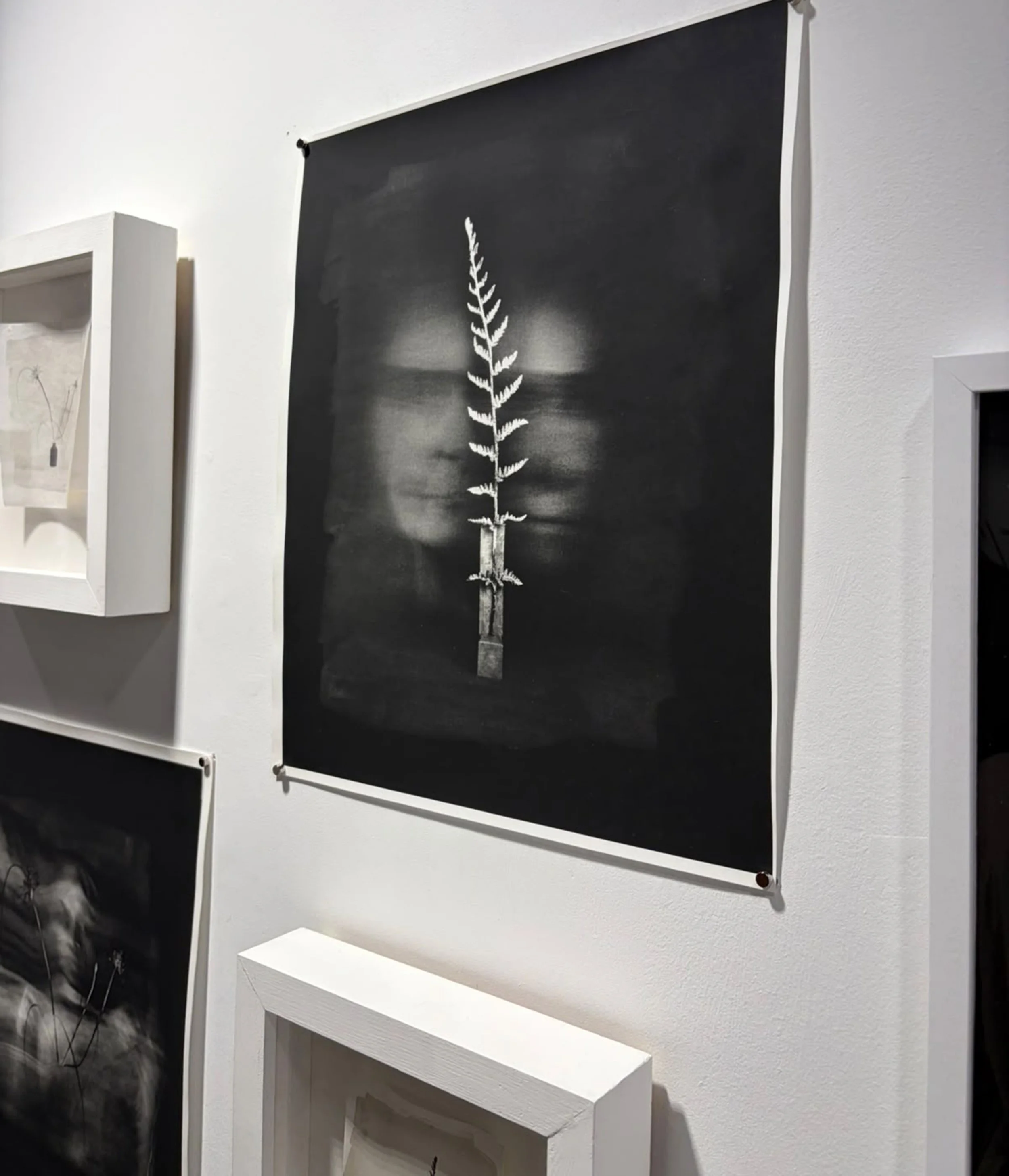
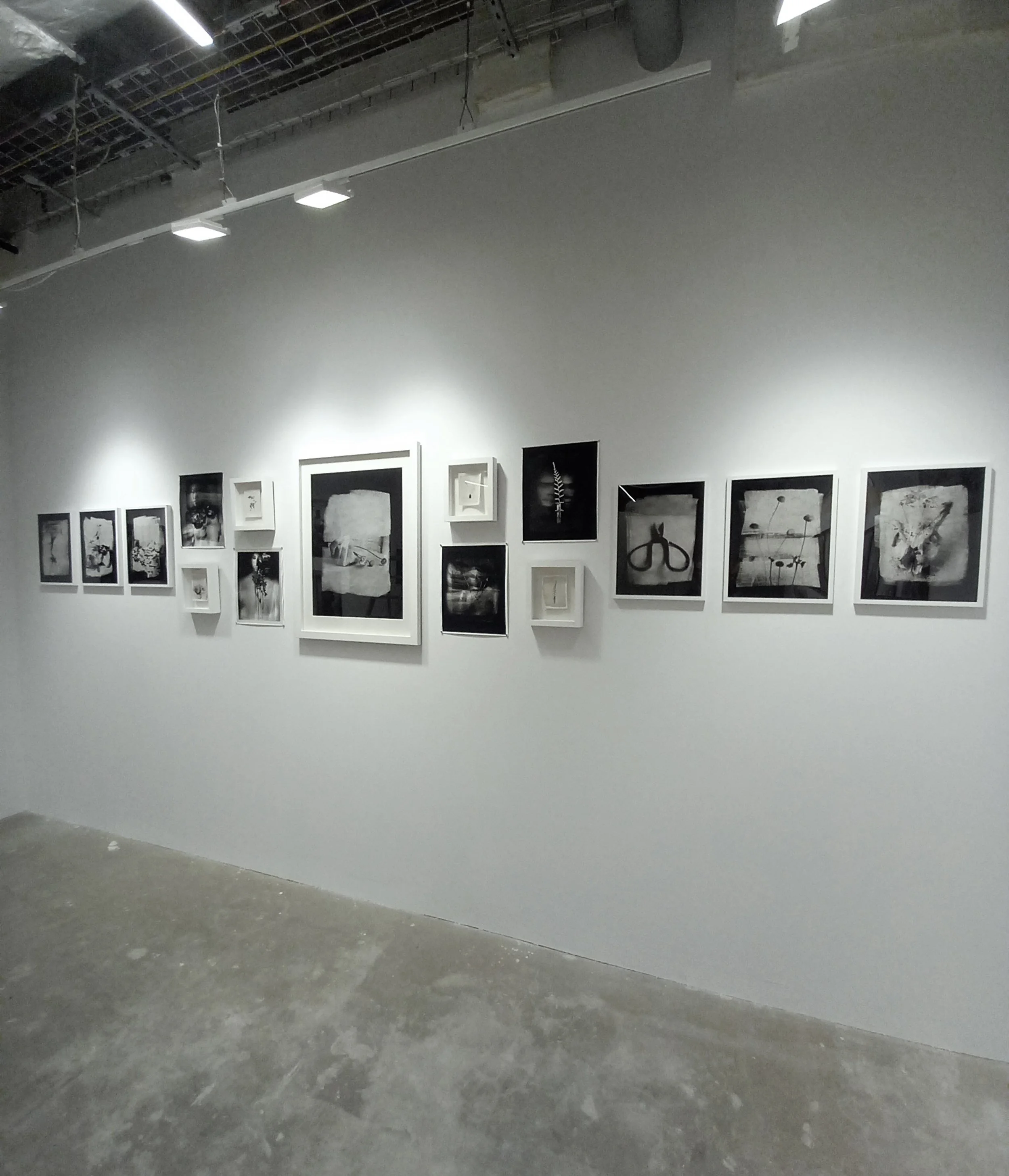
The Understory II explores the relationship between climate change, representation, and environmental decision-making. Developed in response to growing recognition that women often experience the impacts of climate change most acutely, the work reflects on the importance of diverse voices in shaping environmental futures.
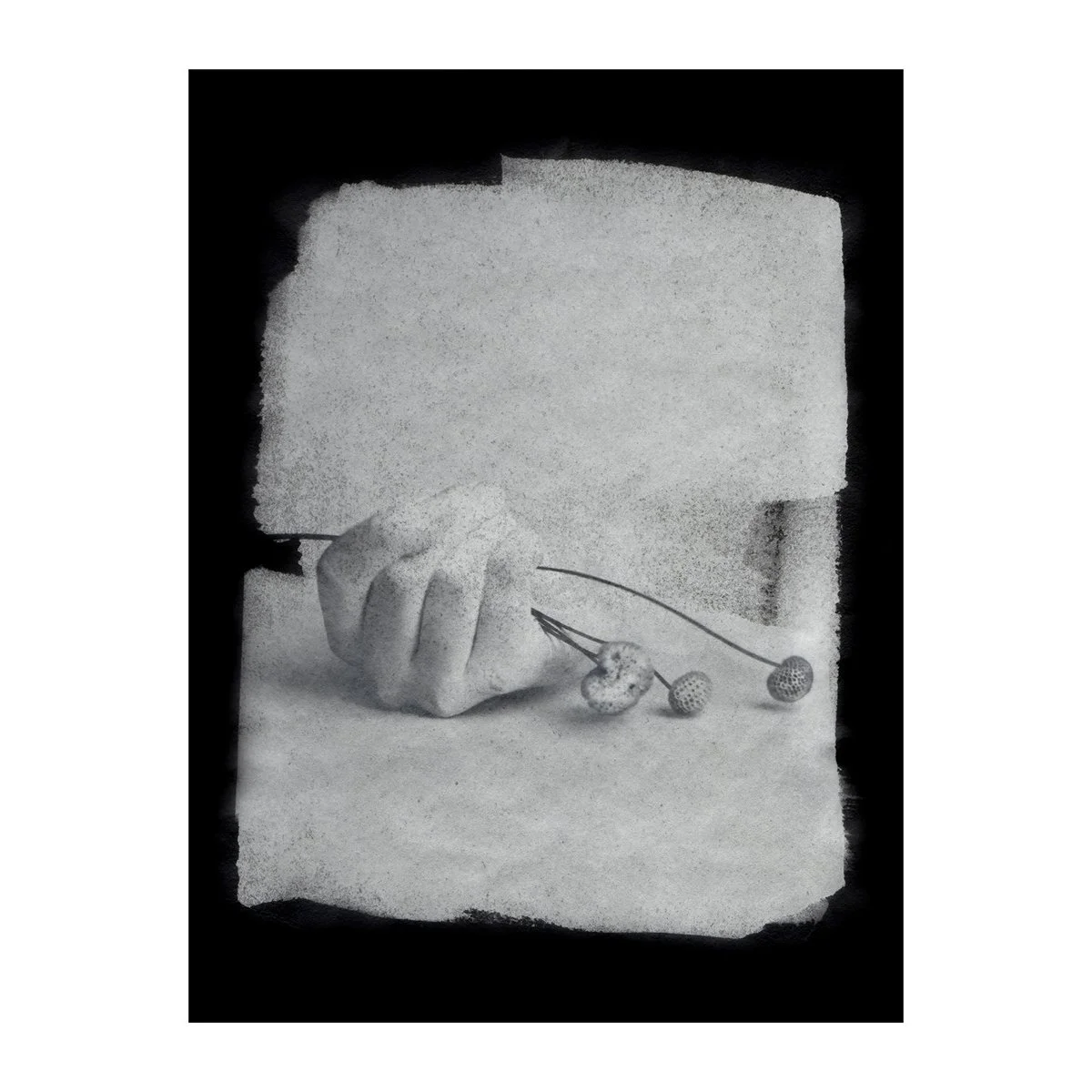
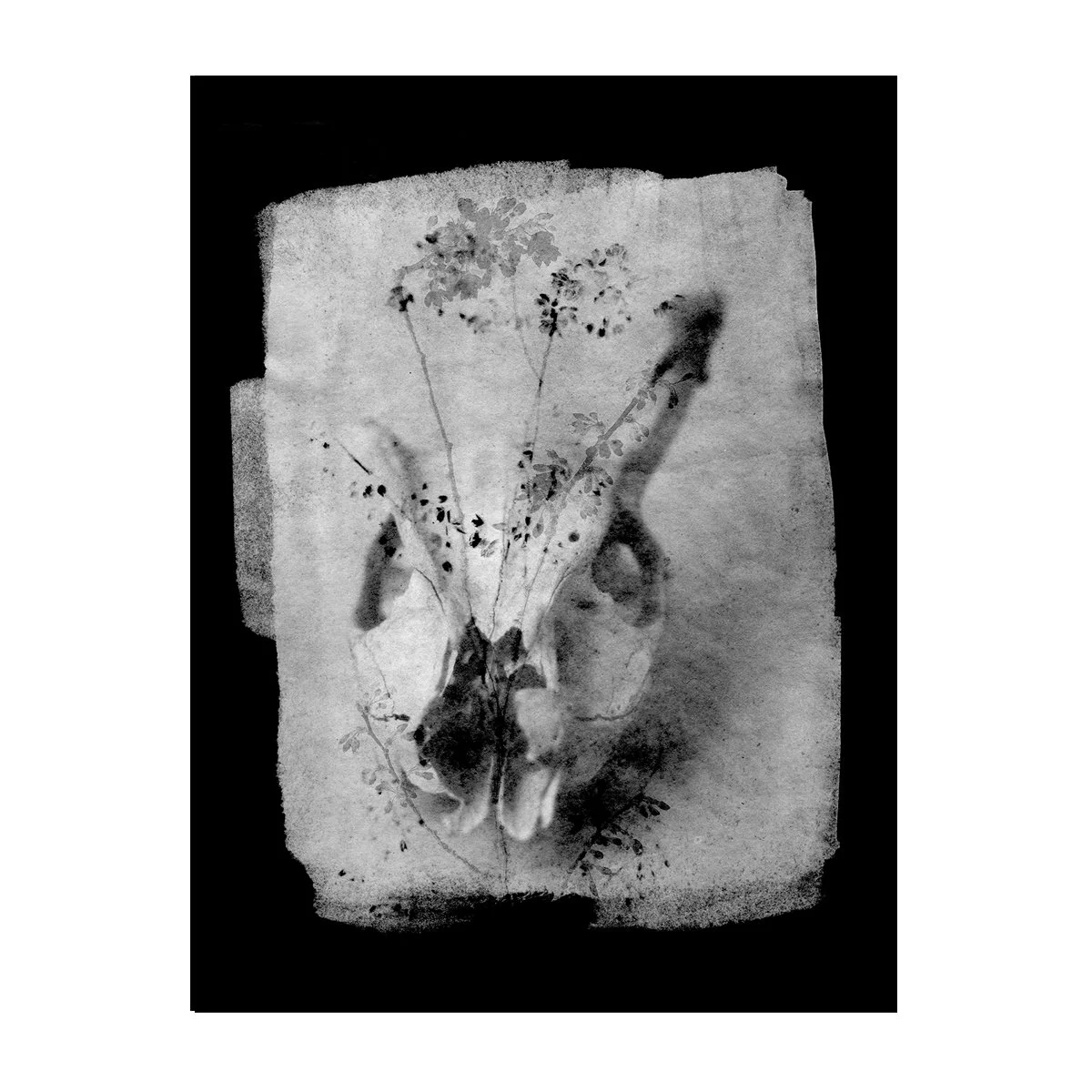
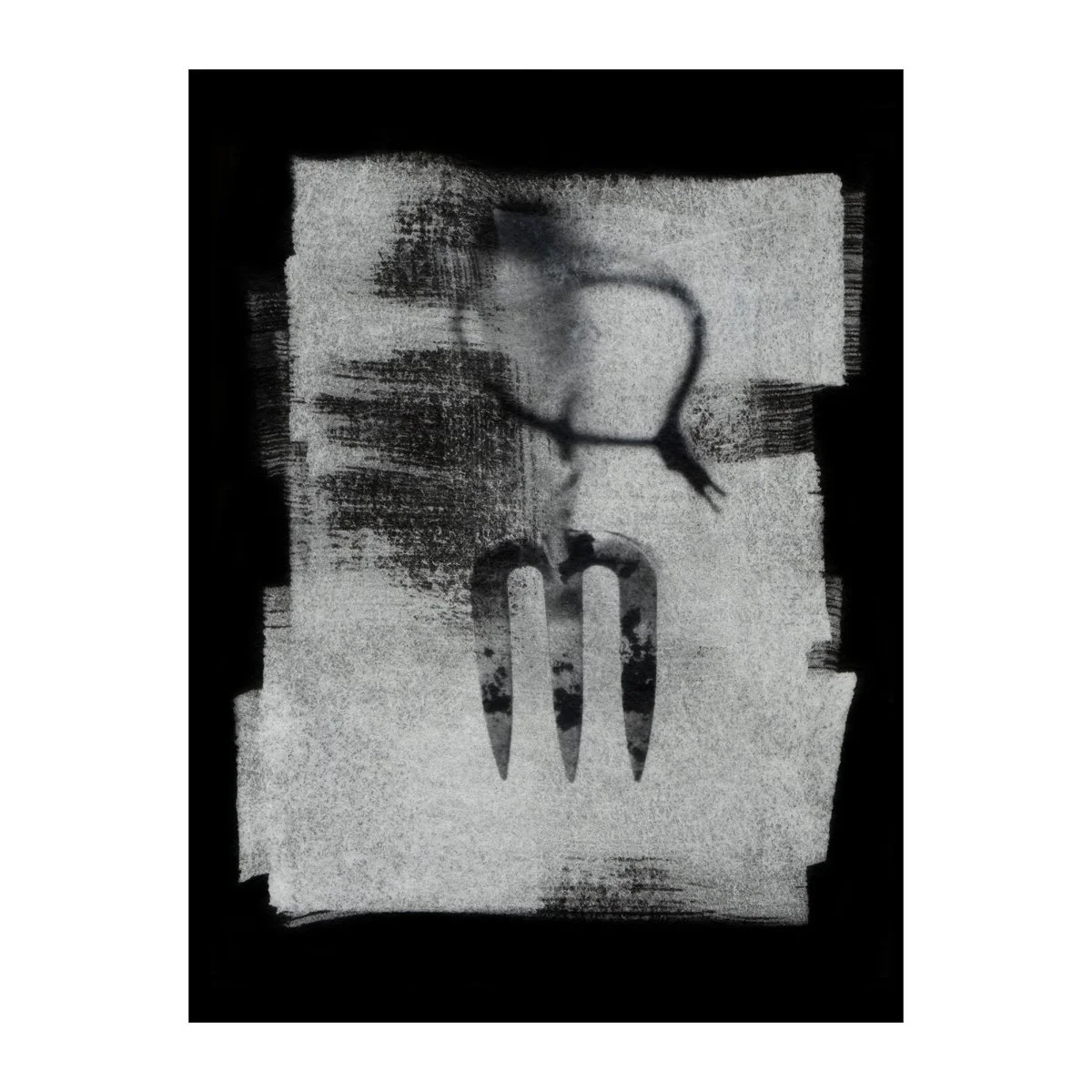
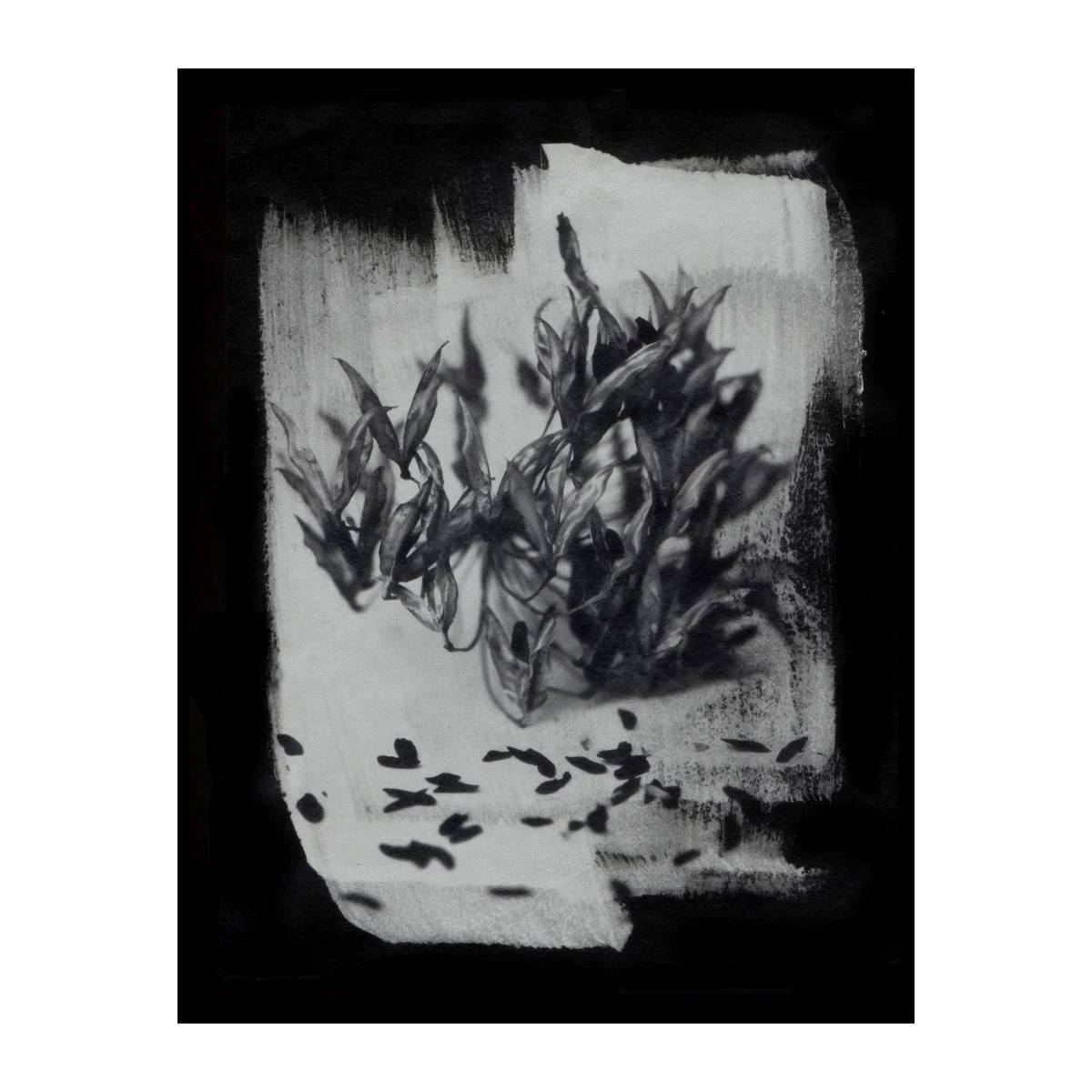
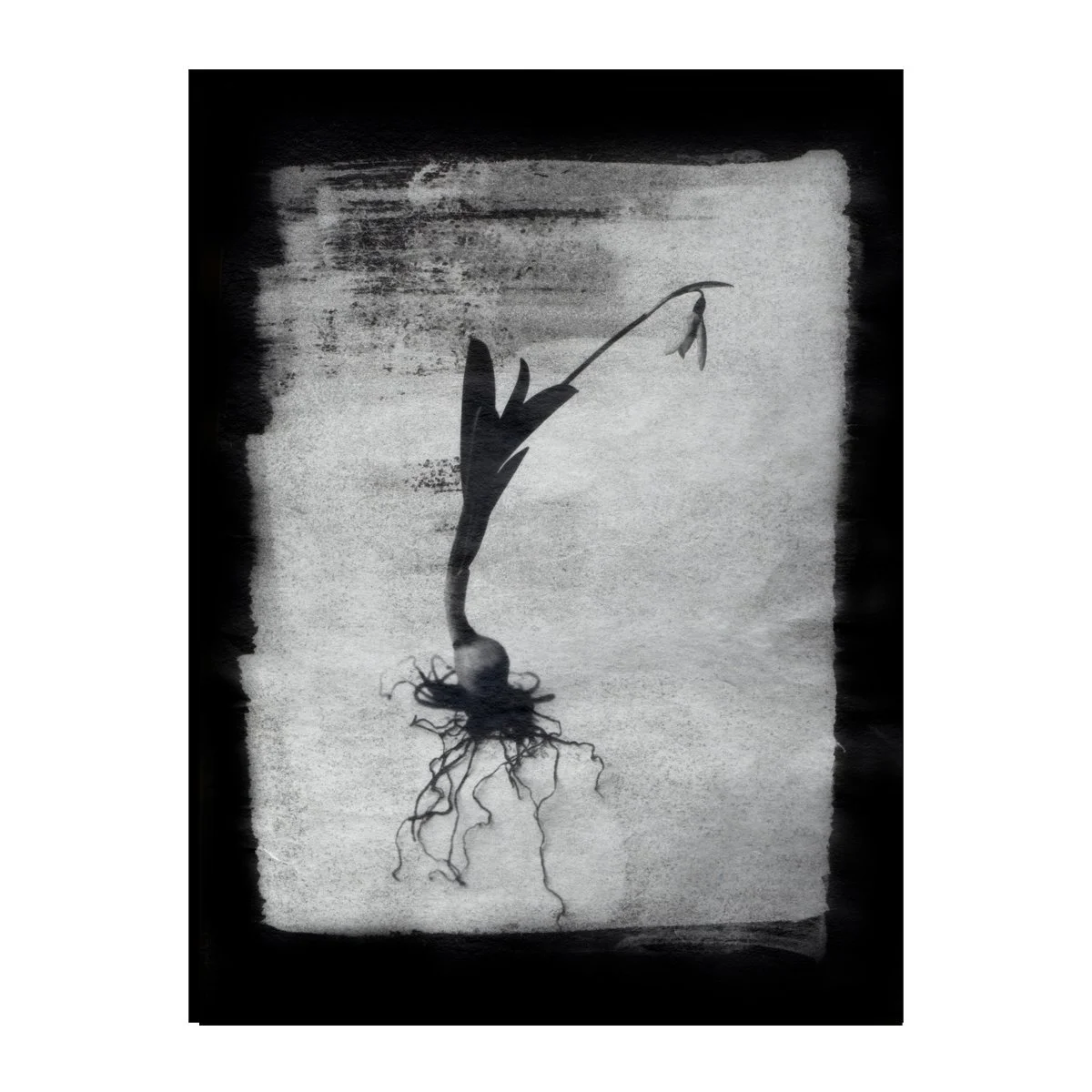
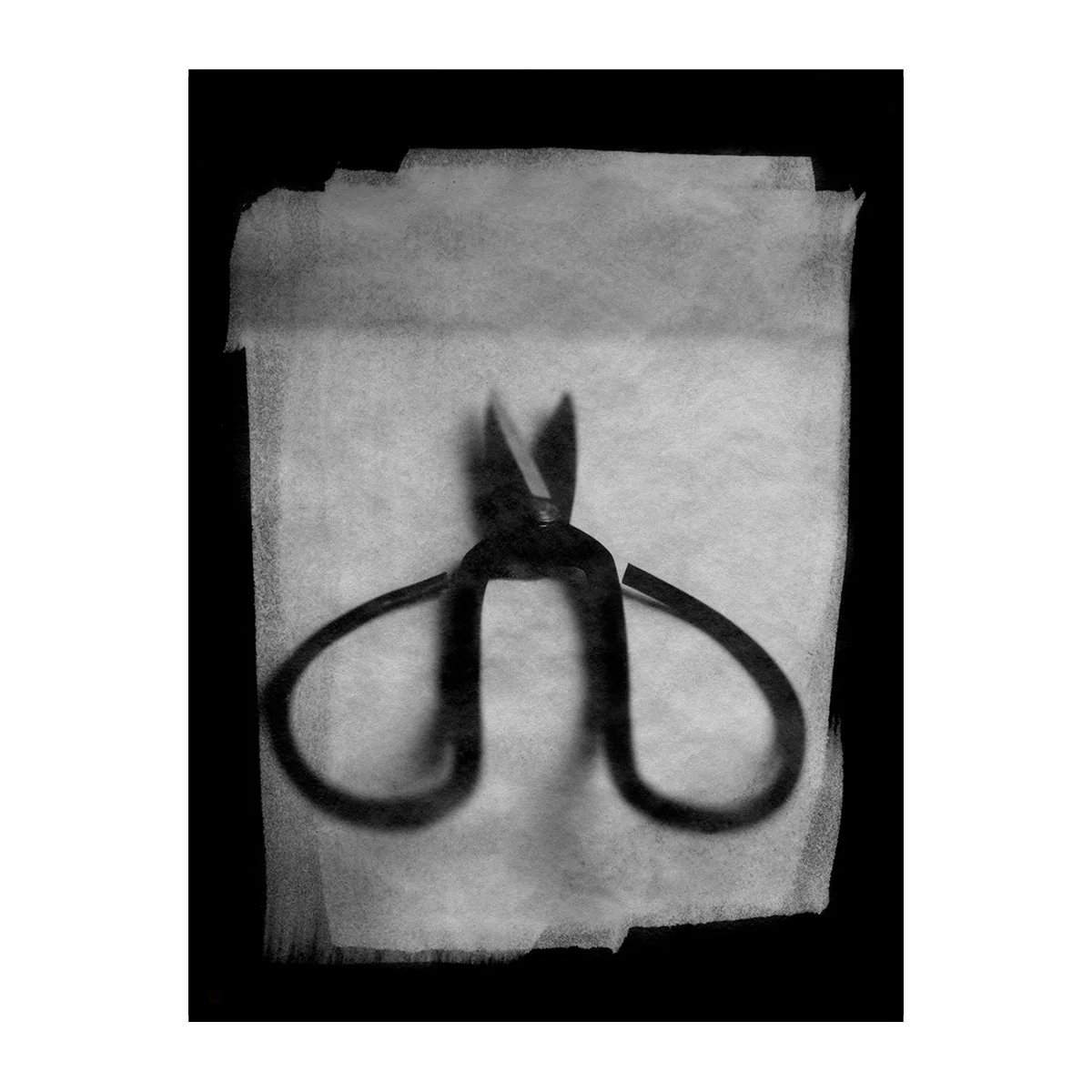
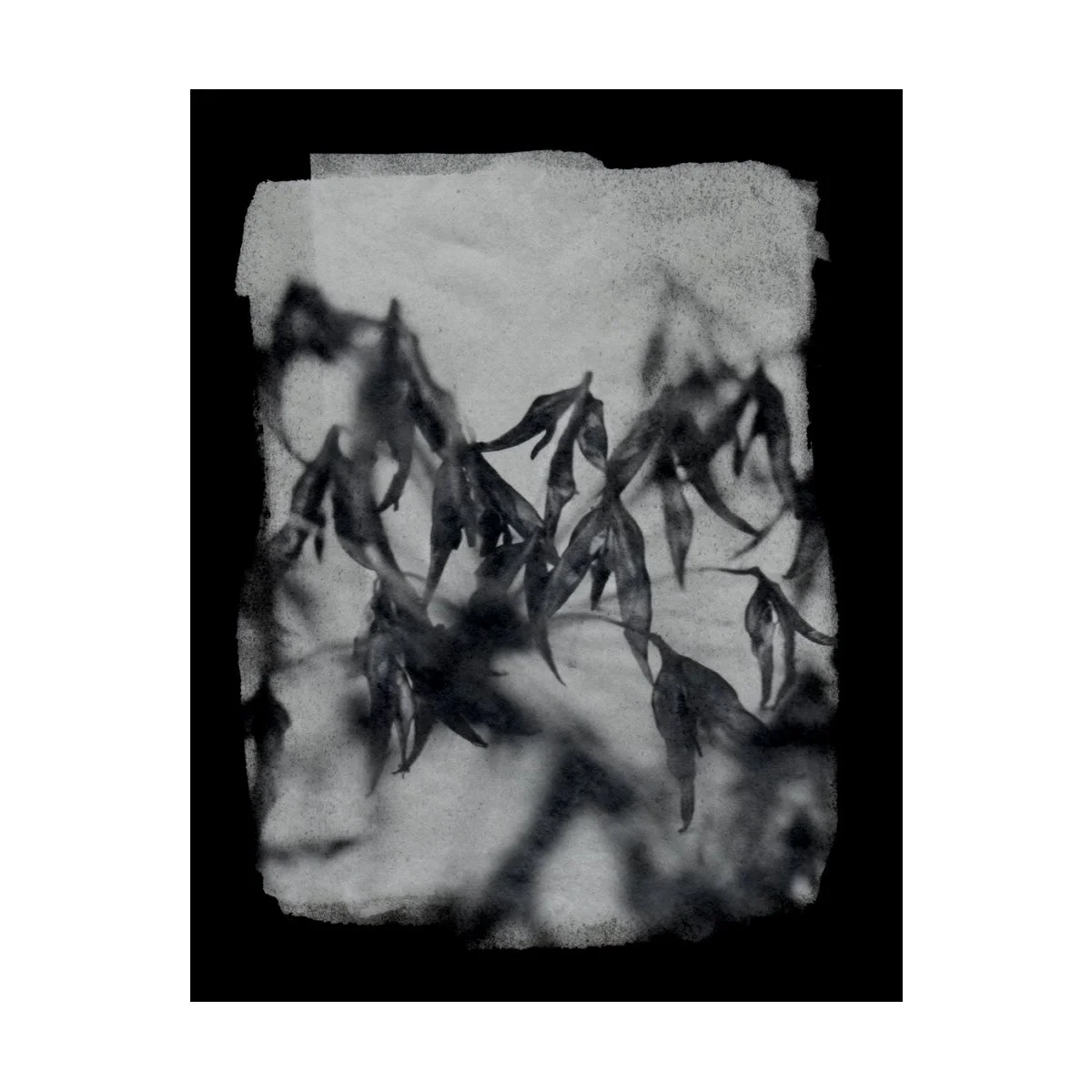
Combining still life, Landscape and portraiture, the project reframes horticulture as a practice intertwined with colonial histories, systems of ownership, and unequal power structures. References to hands, whether visible, implied, or embedded within the making of the works, evoke labour and the act of growing. They also allude to the colonial belief that cultivating land conferred ownership, highlighting the complex relationship between labour, land, and power.
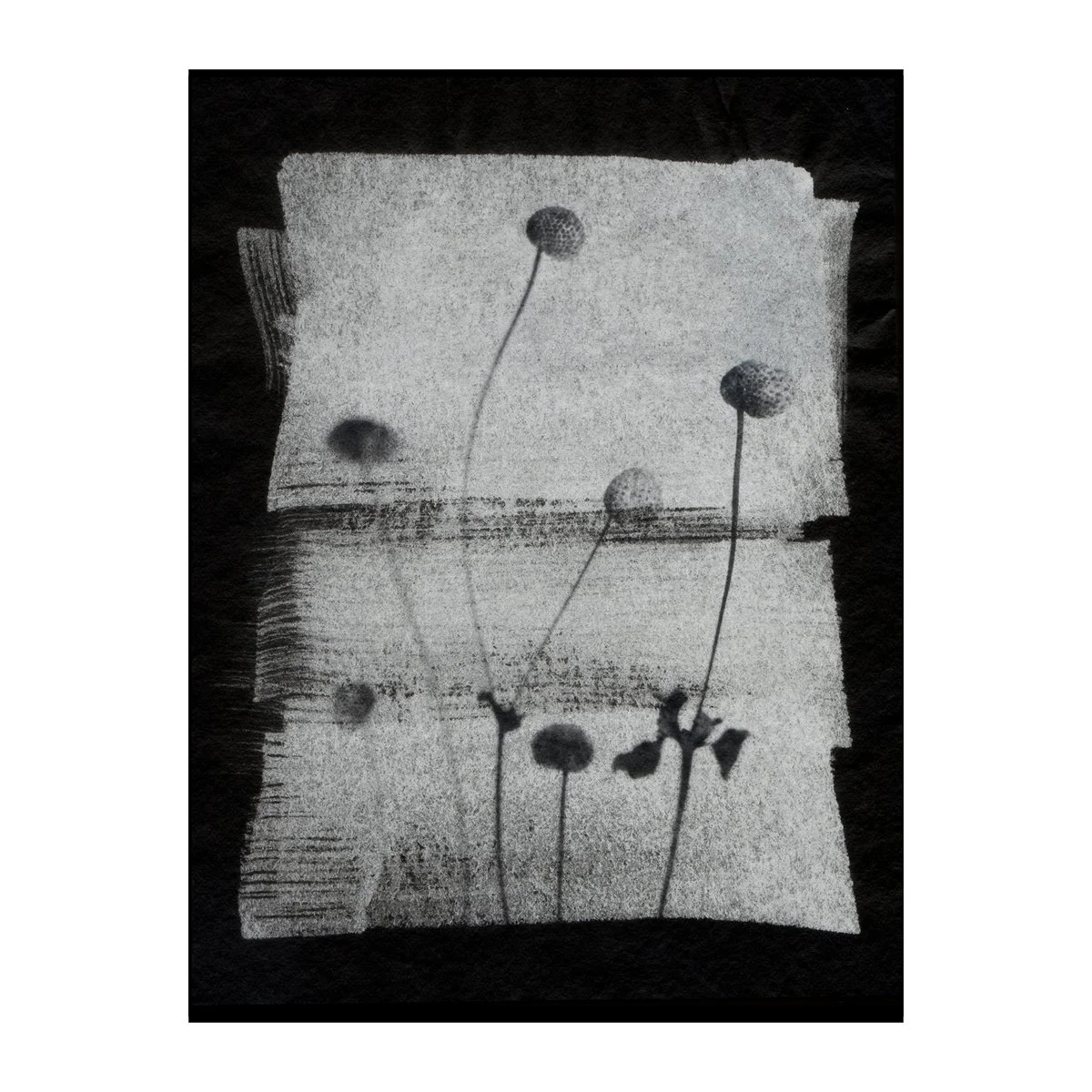
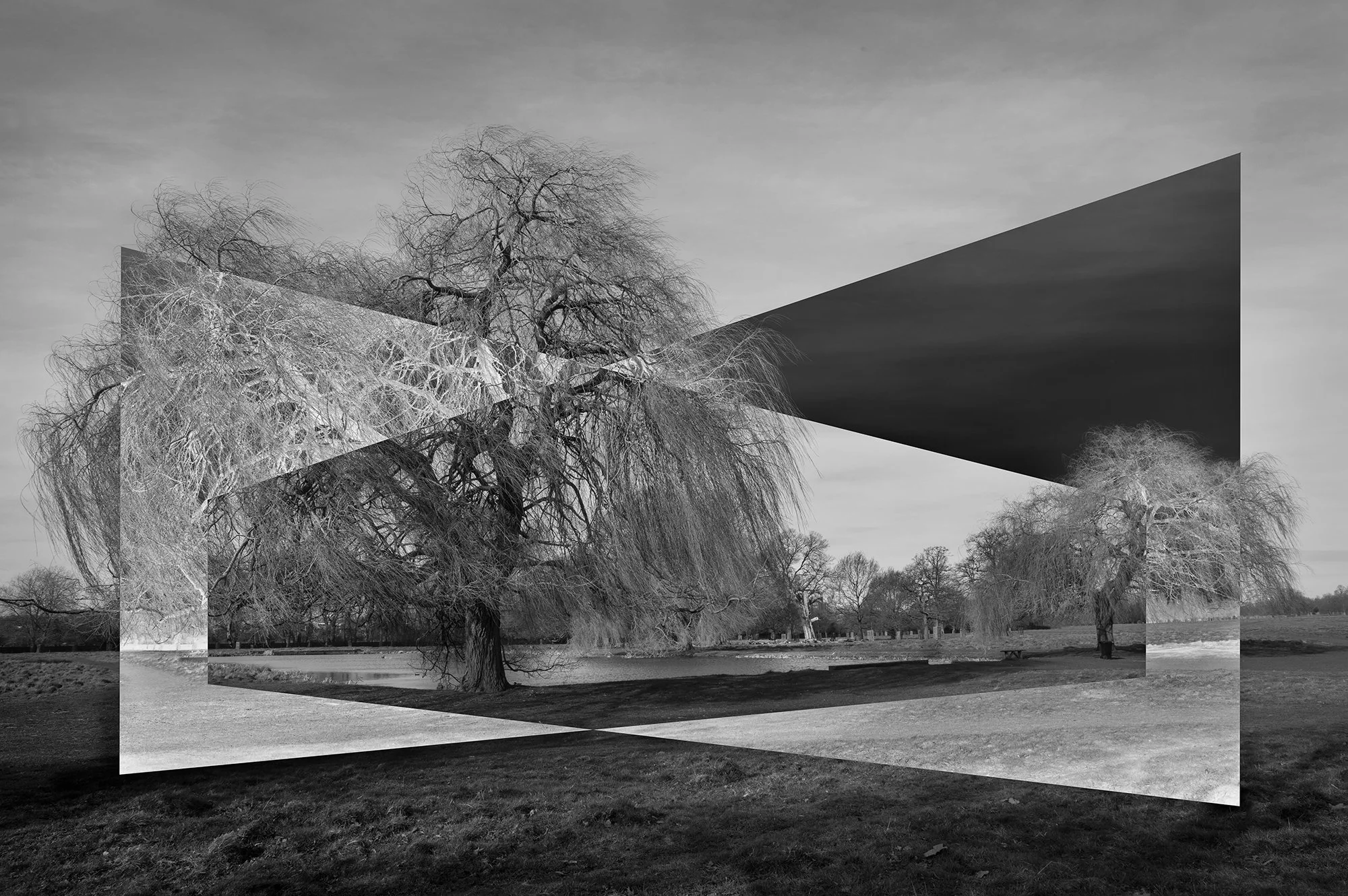
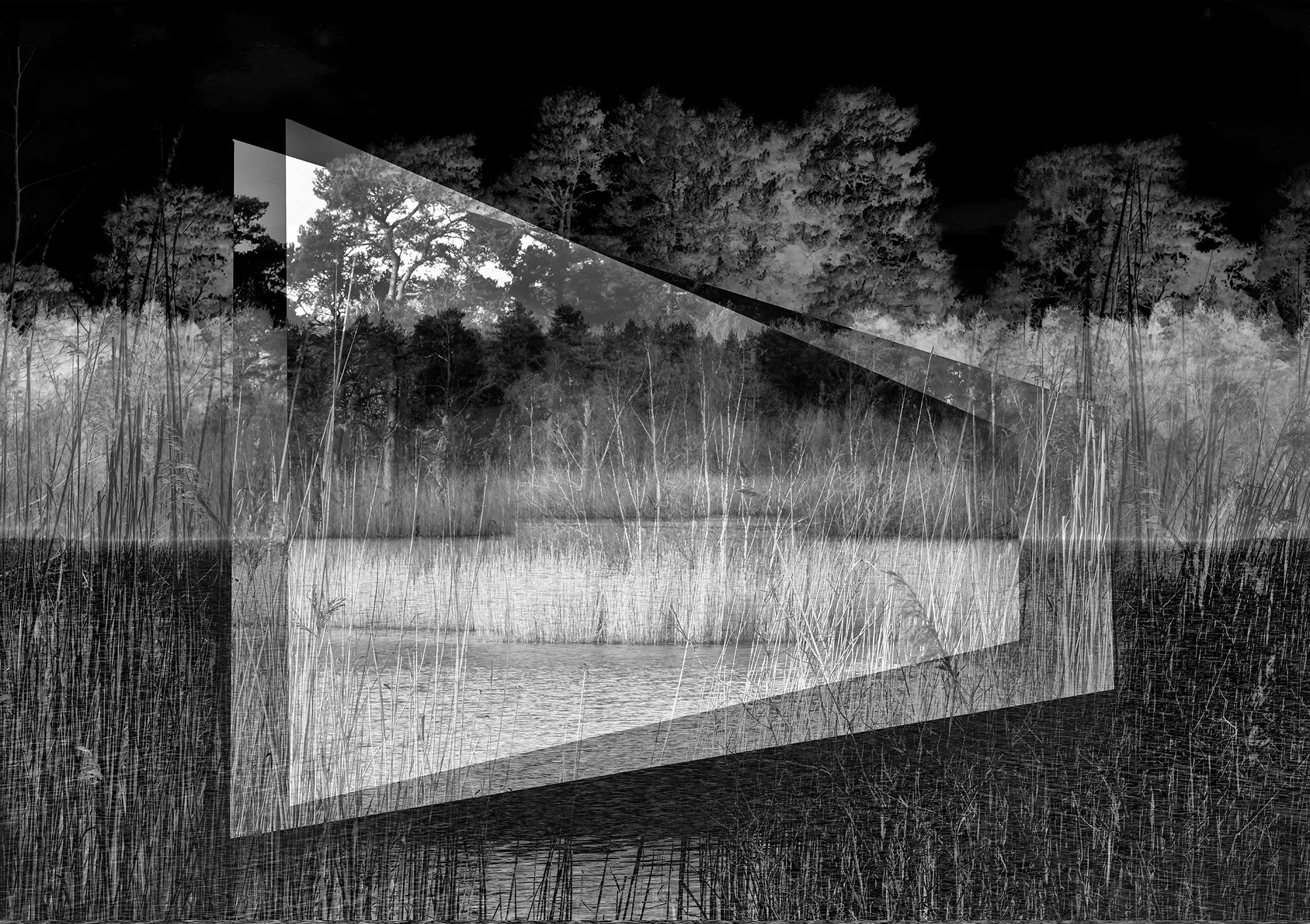
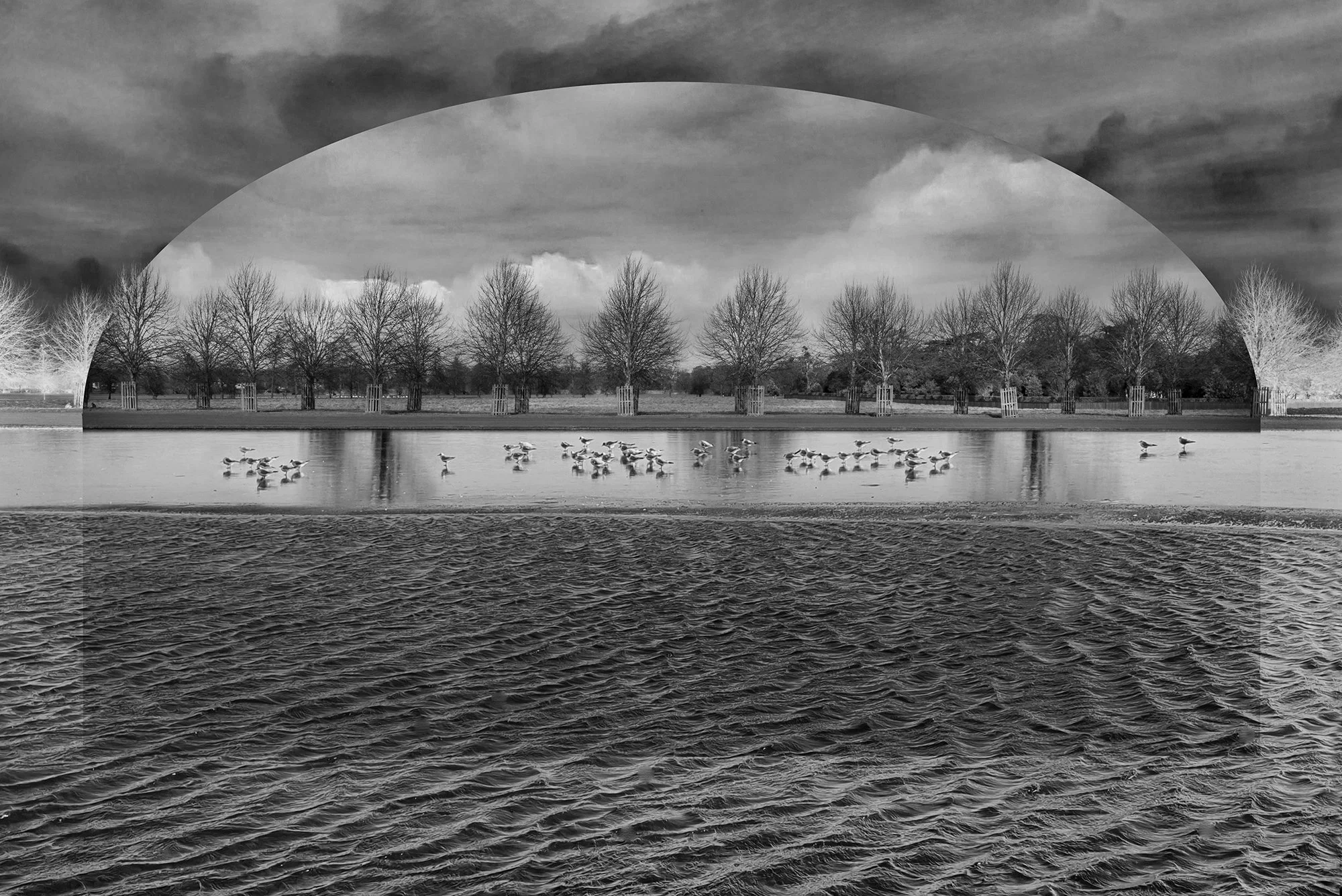
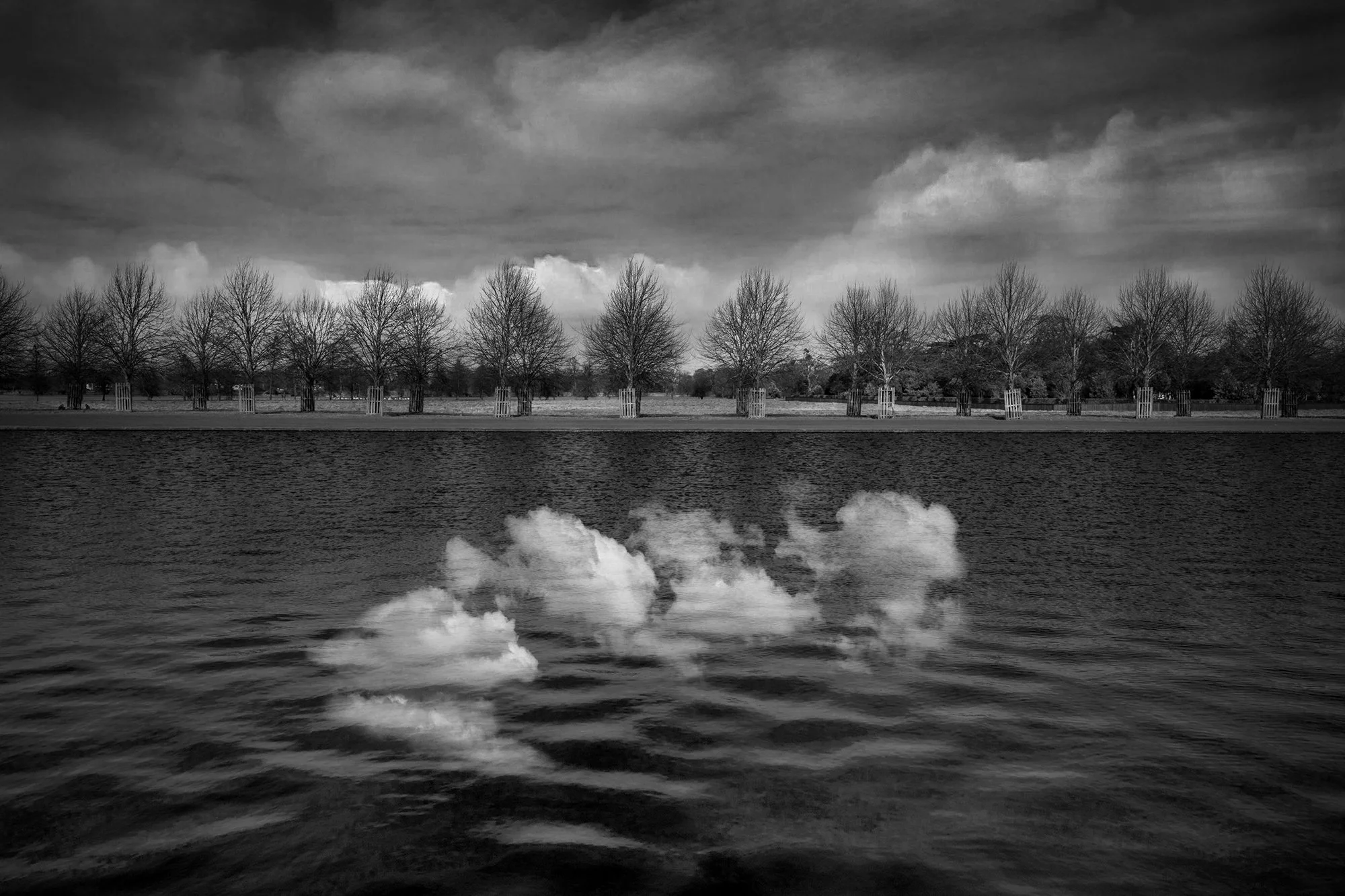
The Long Water at Hampton Court is a landmark canal, commissioned by King Charles II in the seventeenth century as a wedding gift for his new wife Catherine of Braganza. Created by redirecting water from the surrounding landscape, it stands as both an engineering achievement and a powerful design statement. Rather than celebrating its straight lines and formal symmetry, I am interested in the Long Water as a metaphor for human dominance over nature. The positive and negative spaces within the work mimic the geometry of the park, repositioning the landscape not as a static image, but as one that is actively shaped by us. By questioning the hierarchies and decisions imposed upon the landscape, the work gestures towards ecological freedom: the possibility of nature existing beyond rigid systems of human control, economic exploitation, and forms of management that have often contributed to environmental decline.
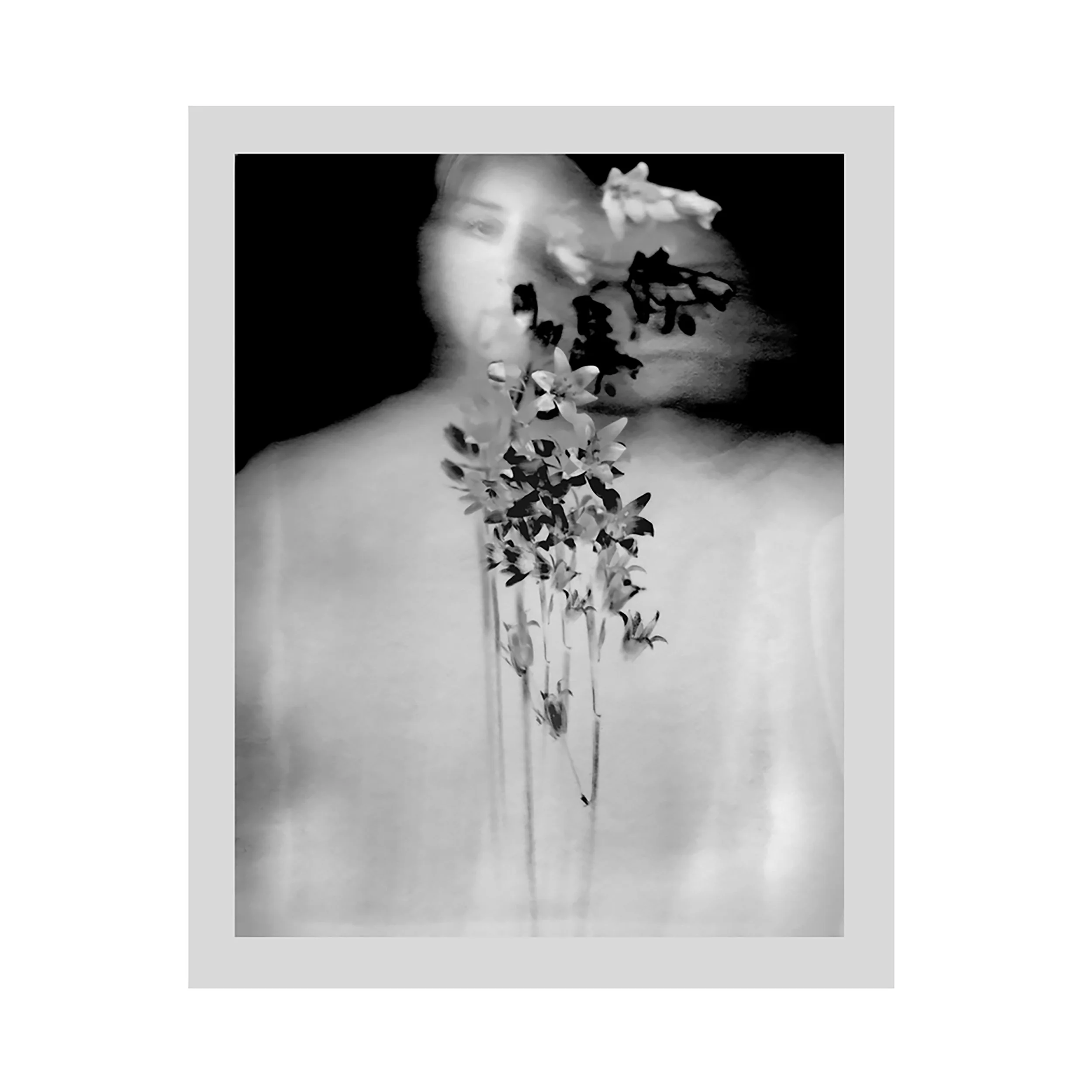
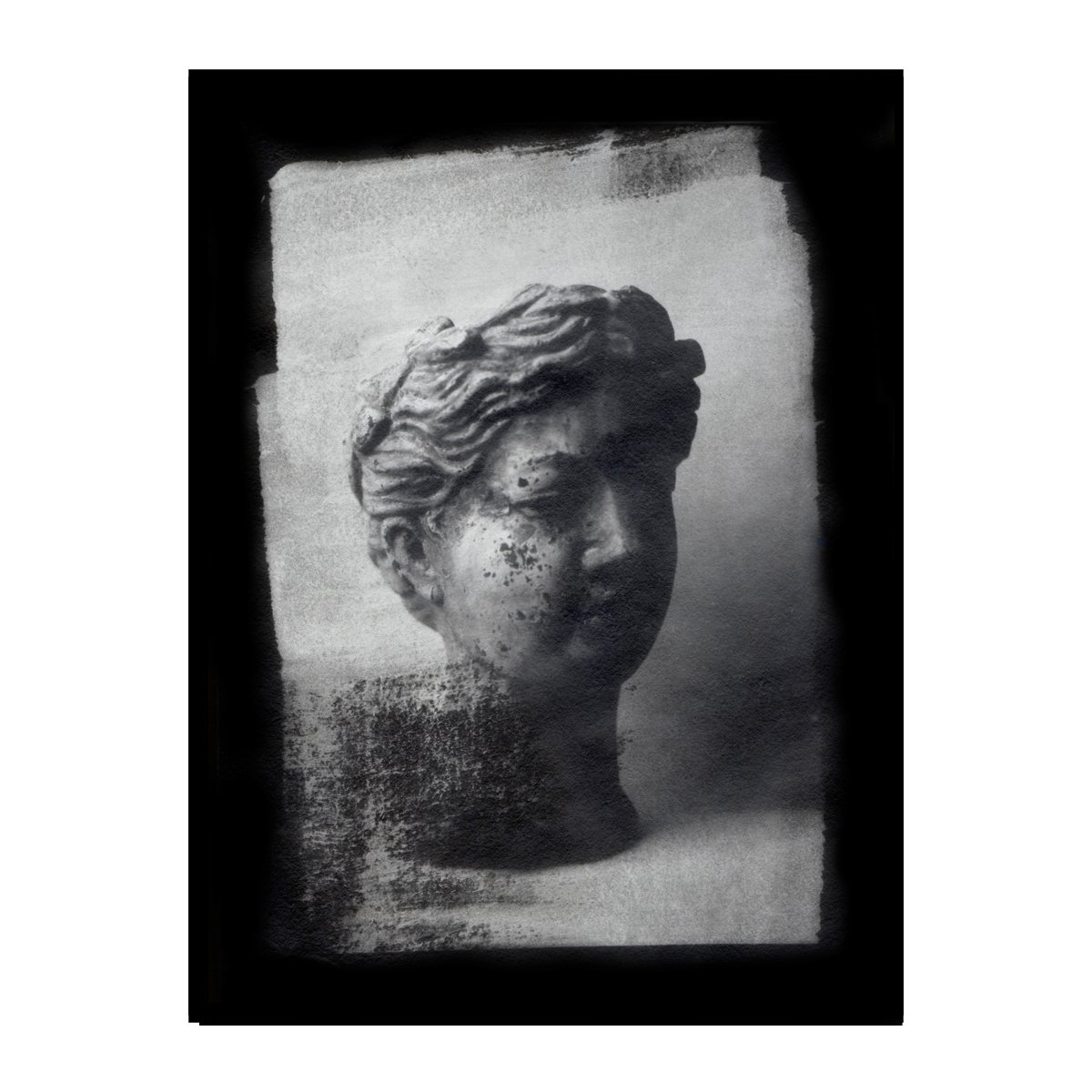
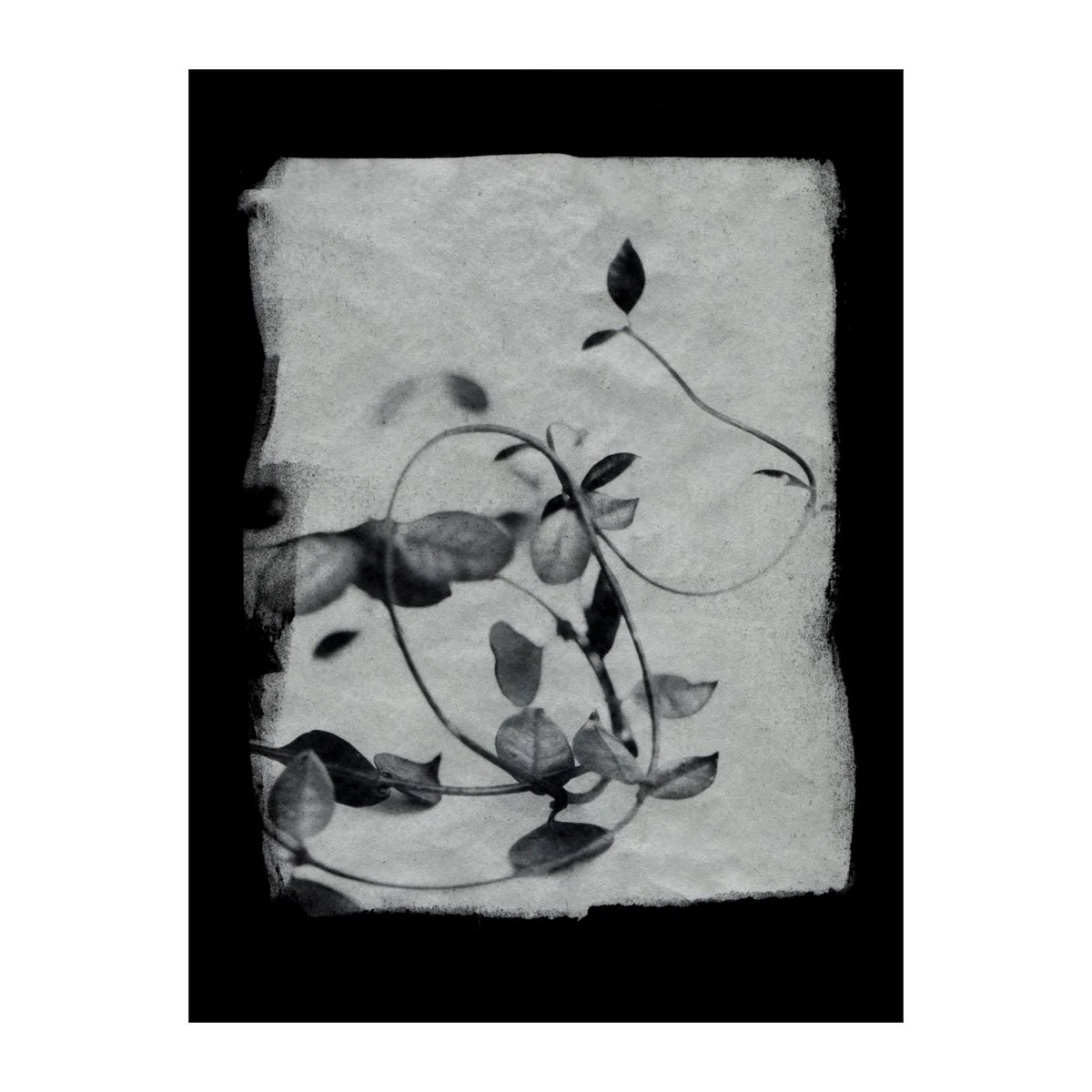
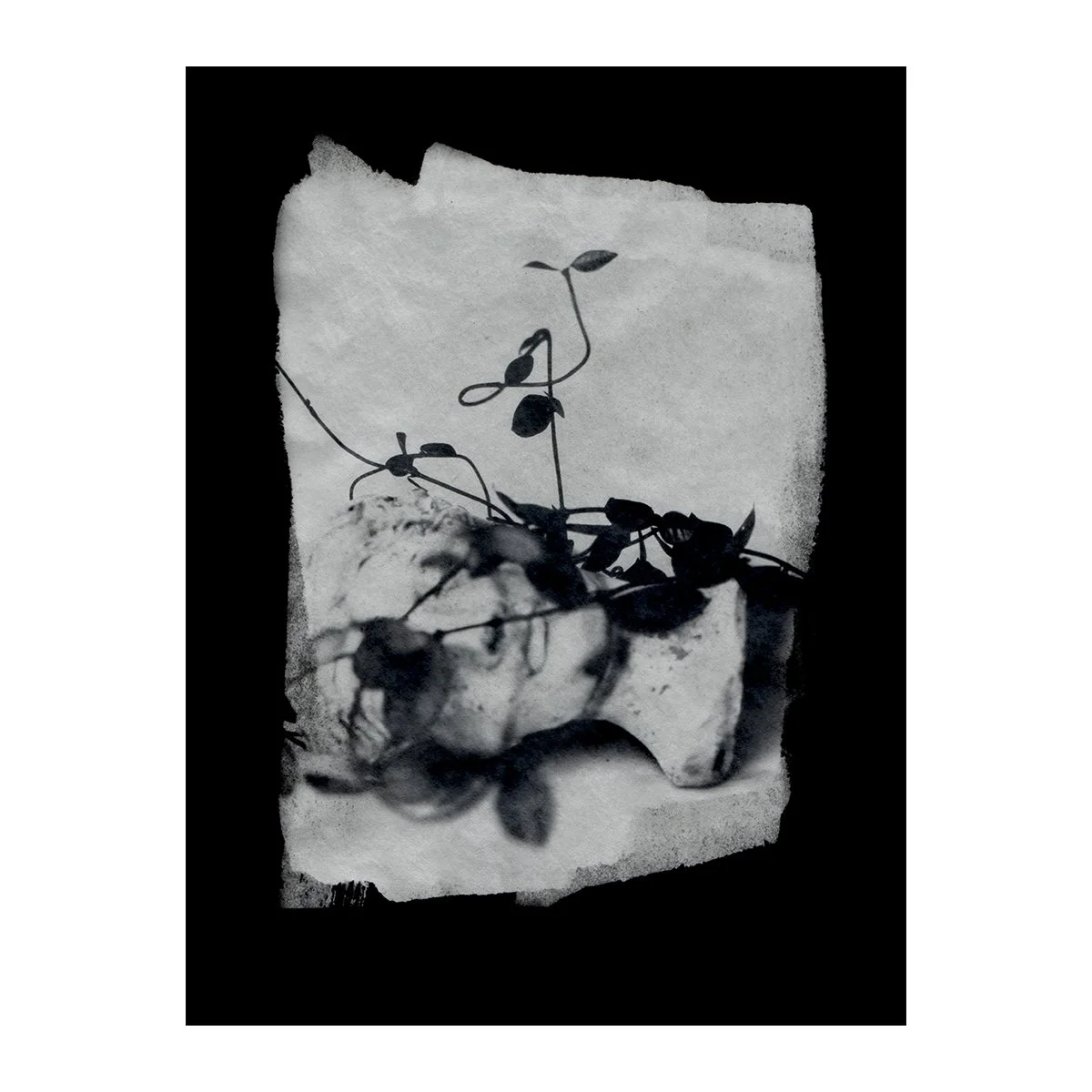
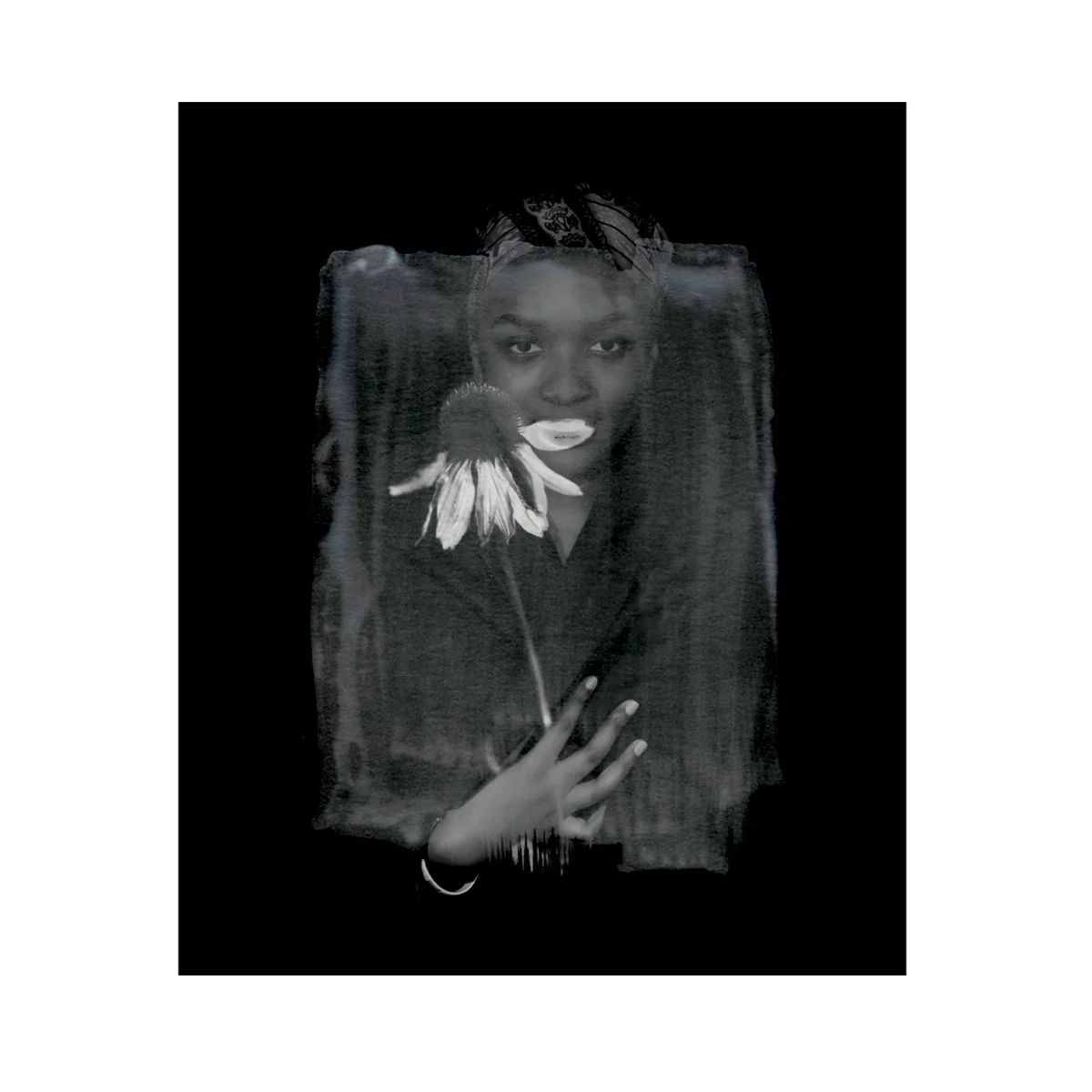
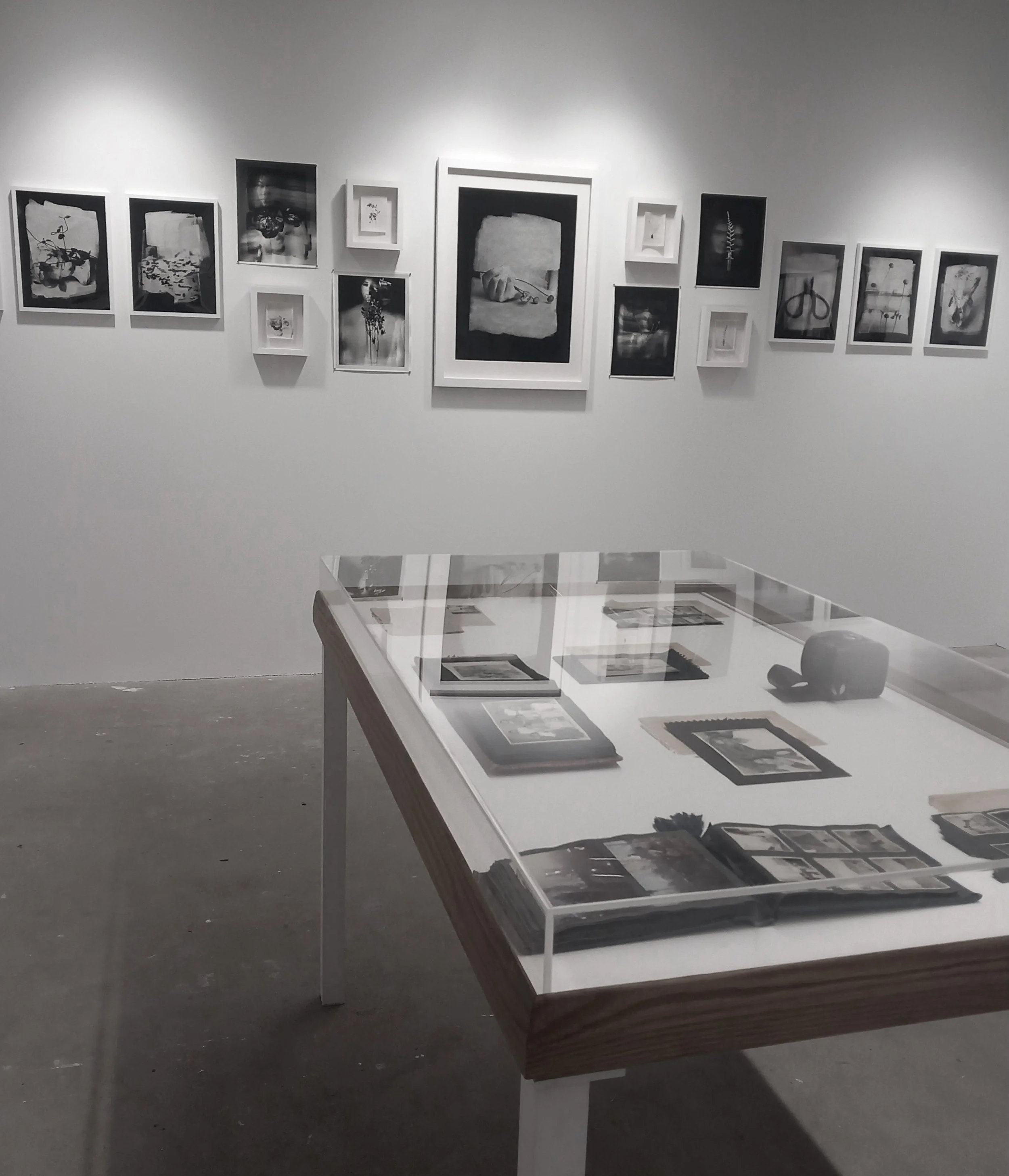
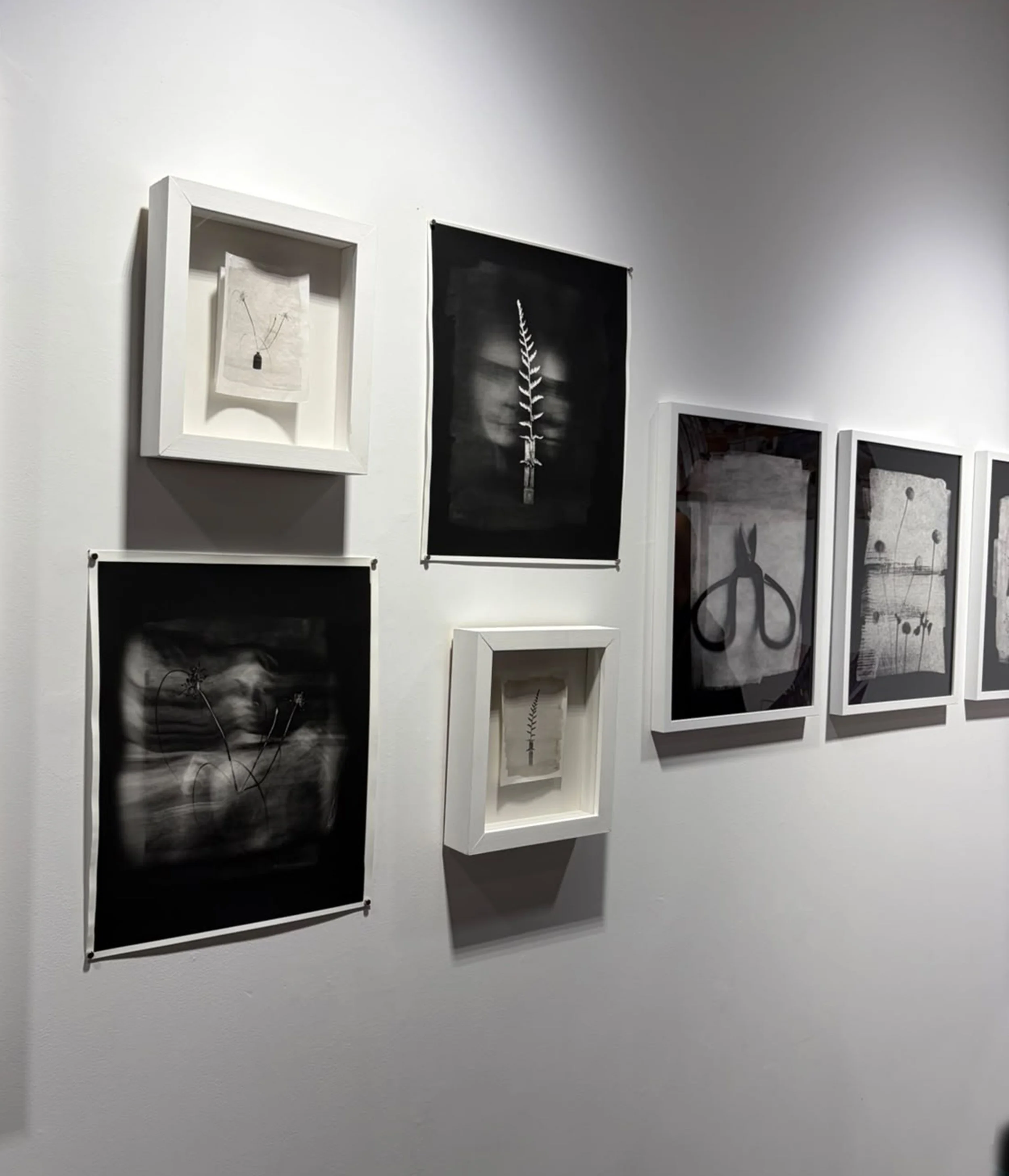
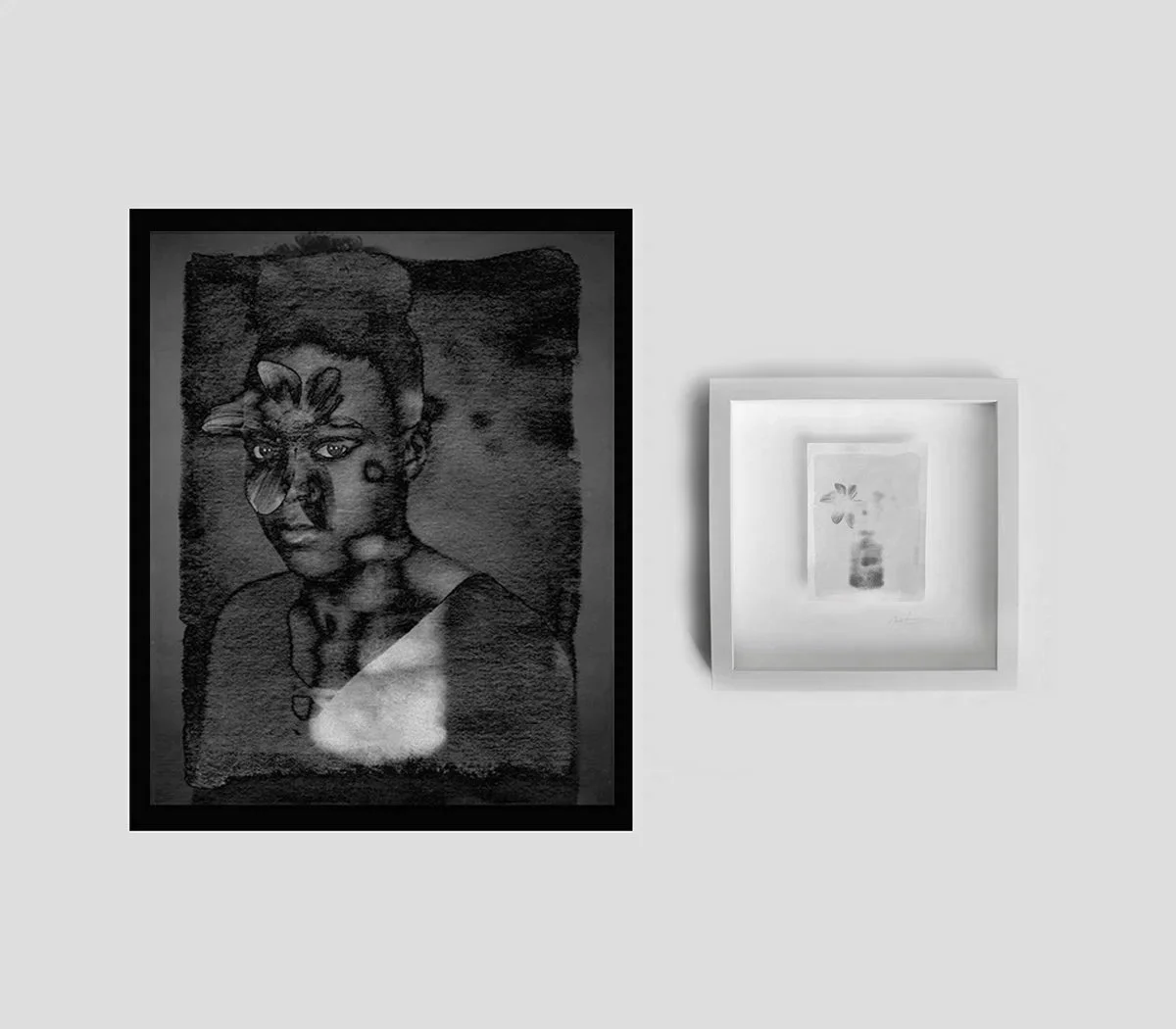
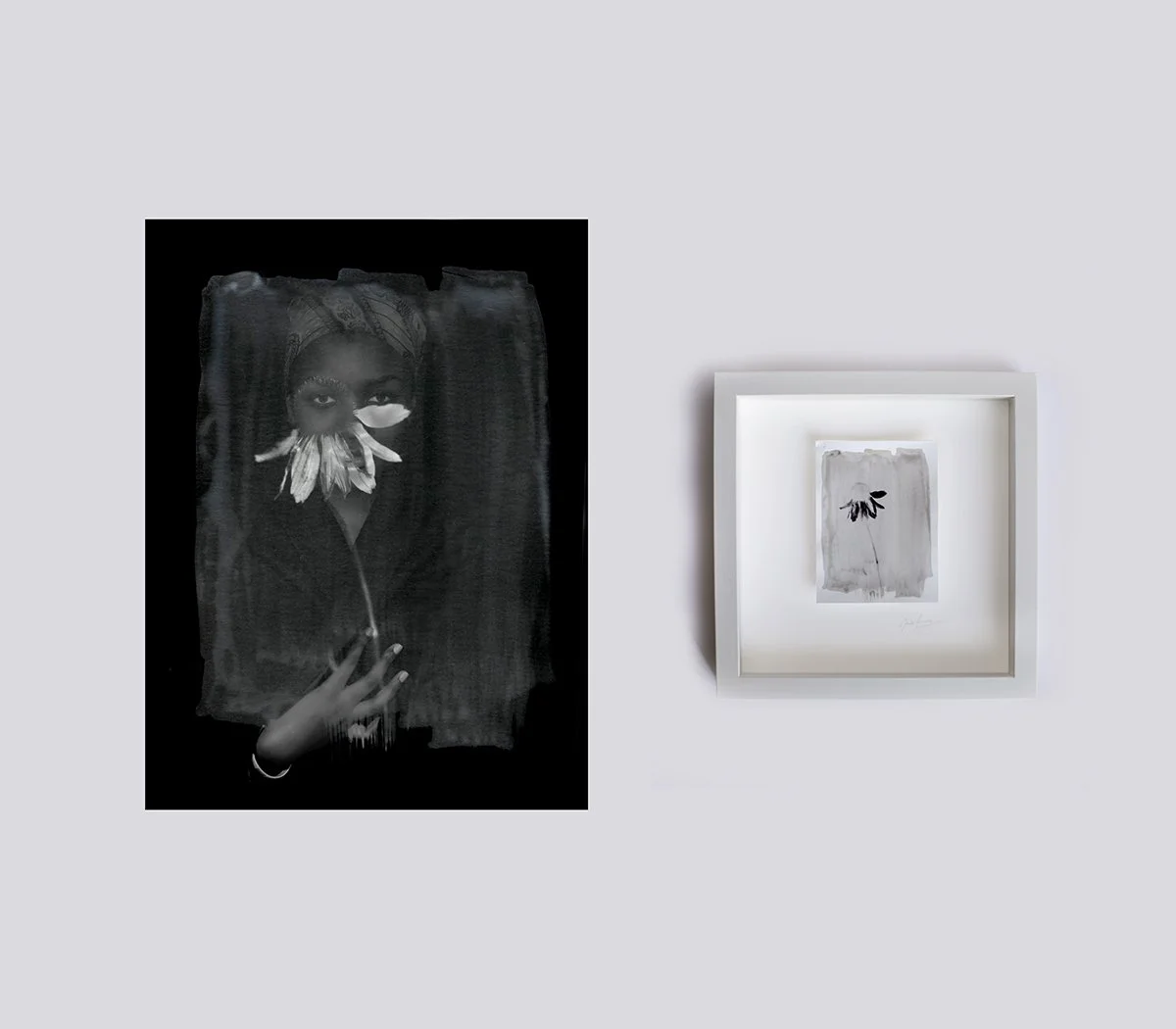
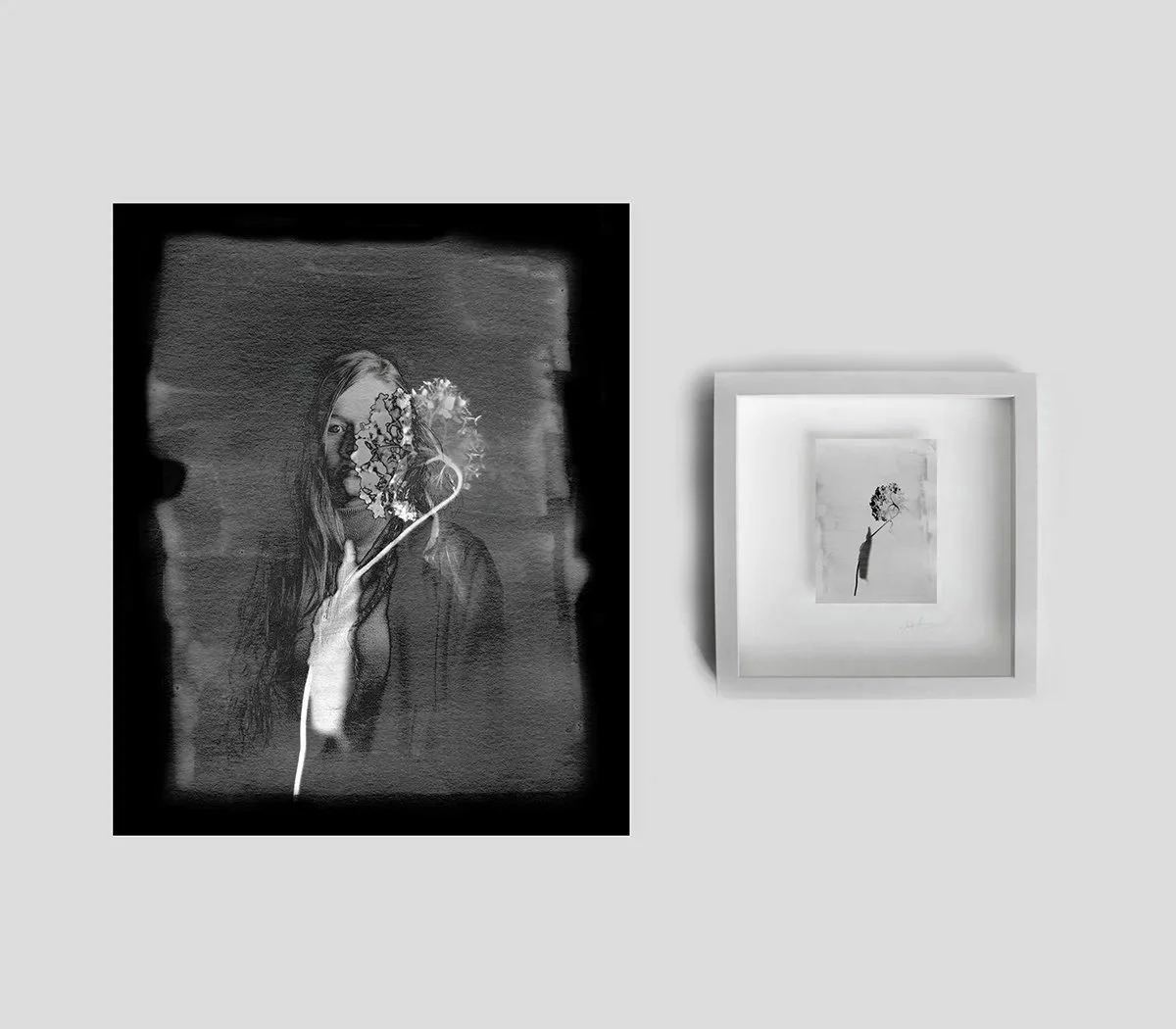
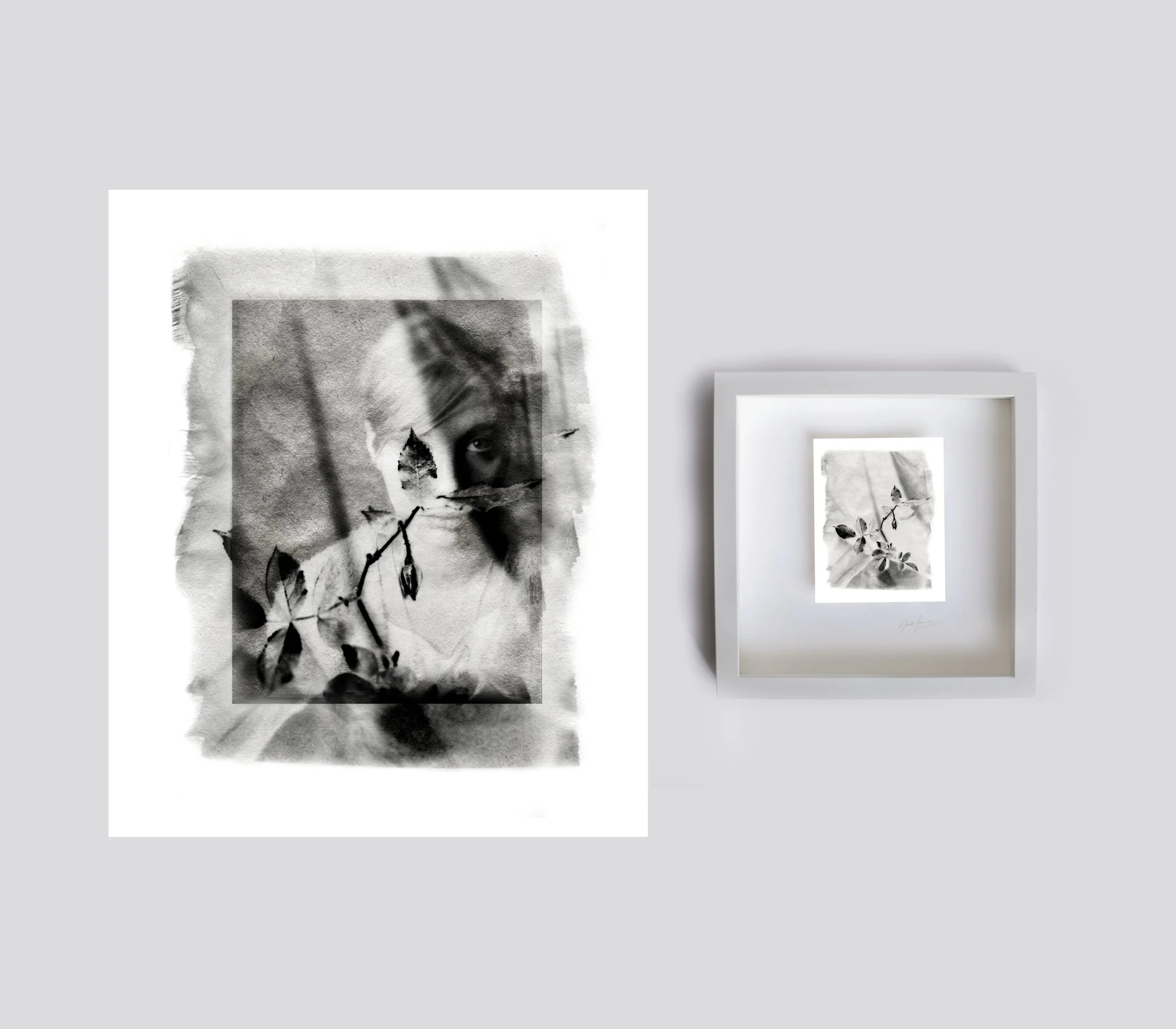
By combining images of women and plants, the work explores connections between gender and the natural world. Bringing together women of different ages and backgrounds, the portraits reflect the importance of diverse voices within environmental discourse.
The intention is not to speak for a particular group or to suggest a shared experience. Instead, each sitter retains her own presence, emphasising how visibility and representation can create space for those who have been overlooked.
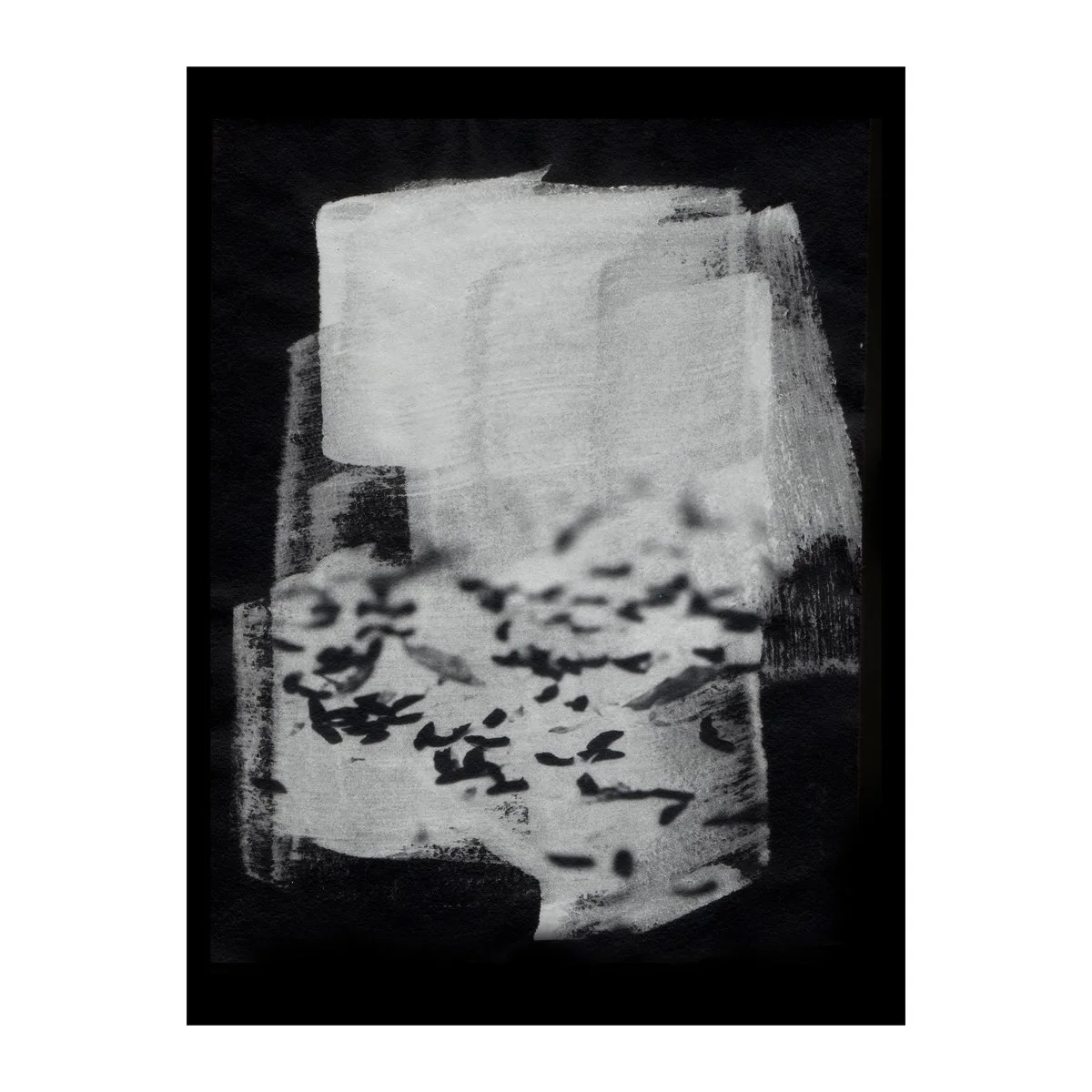
Photography's role in the creation and preservation of archives is central to the project. The images are produced using hand-coated paper negatives exposed in a large-format camera. Visible brushstrokes, uneven edges, and chemical artefacts reveal their material construction, drawing attention to the archive as a selective and constructed record rather than a neutral repository of knowledge.