Loch Torridon
The tectonic and glacial landscapes of Torridon are among the oldest preserved landforms in Europe, shaped by immense geological forces and successive periods of glaciation. Within this landscape, evidence of both deep time and contemporary environmental change coexist, creating a site where past and present remain in constant dialogue.
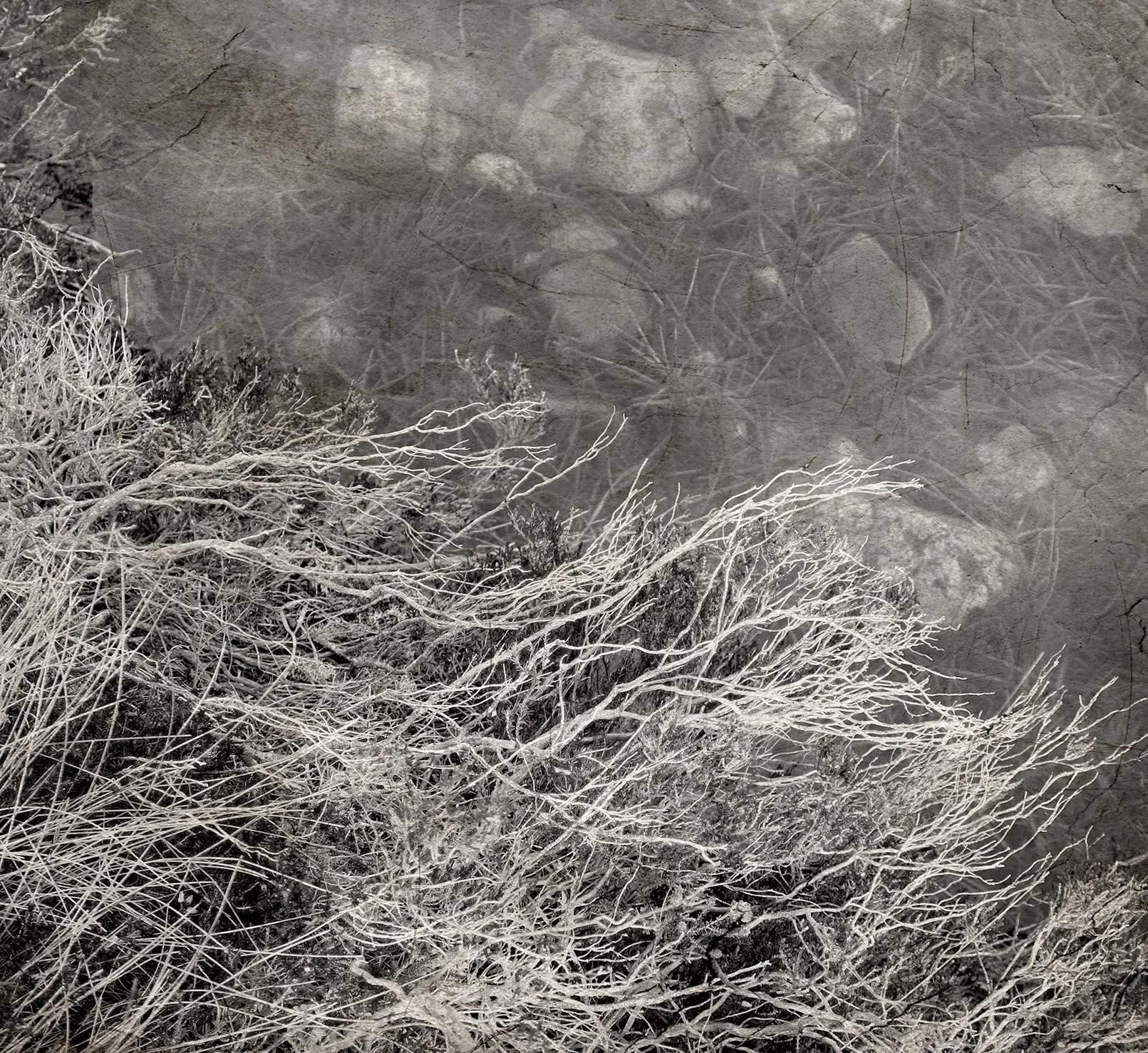
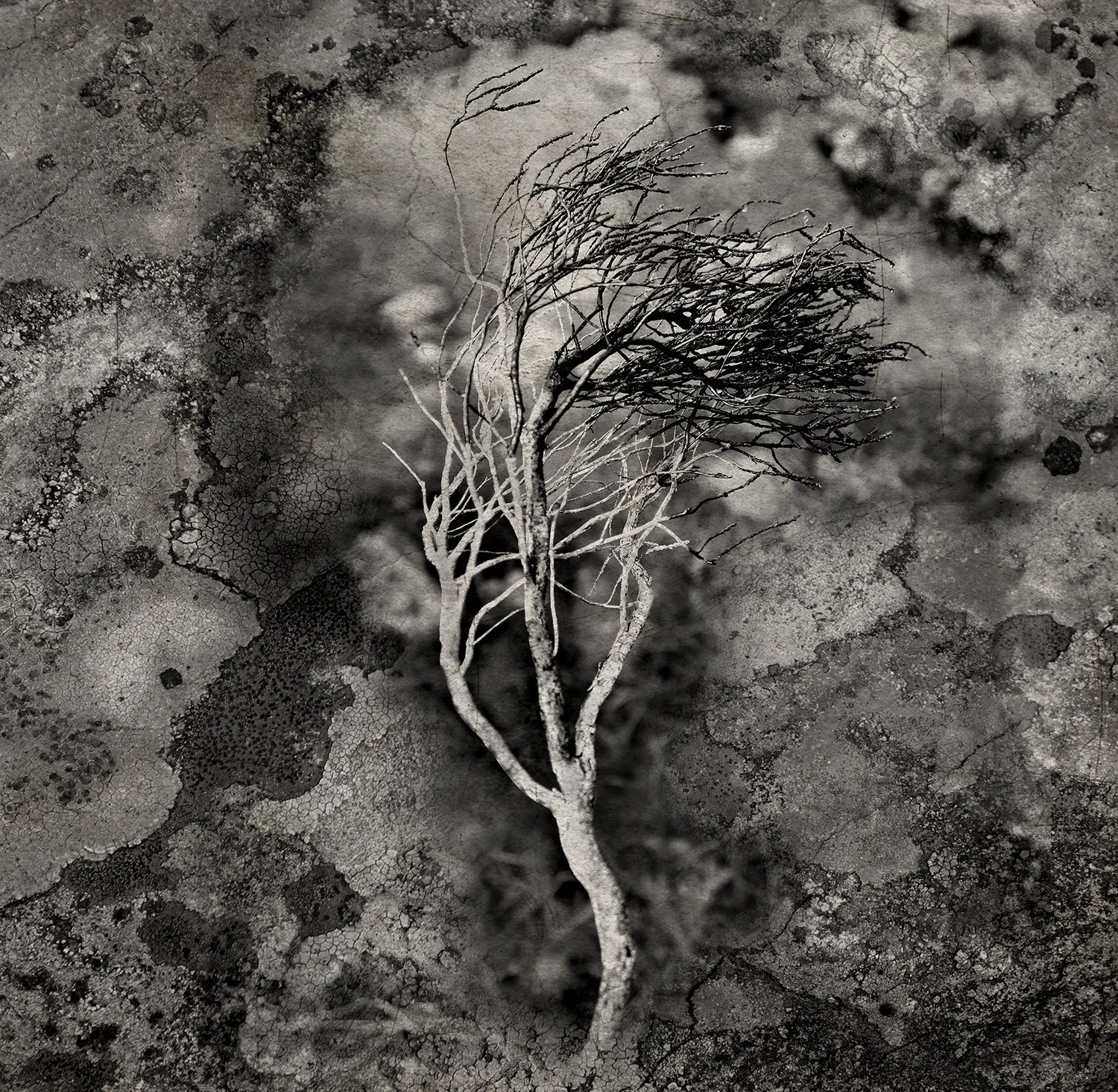
Drawn to the shores of the sea lochs, I collected organic remnants deposited by the interactions of mountain, water, weather, and tide. Sheep skulls, driftwood, seaweed, and burnt heather, including material marked by the wildfires of early March, became fragments of a landscape in transition. Each object carries traces of its own history while suggesting broader narratives of loss, resilience, decay, and renewal.
Using these found materials, I created a series of temporary installations within the landscape. The works were intentionally impermanent, constructed with the knowledge that they would be altered or reclaimed by natural forces. Wind, rain, tides, and time become active participants in the work, continuing its transformation beyond the moment of its making.
Photography serves as both document and artwork, preserving fleeting interventions that no longer exist in their original form. The resulting images explore the tension between permanence and transience, connecting the vast timescales of geological history with the fragile, momentary nature of human action. Through this process, the work invites reflection on the vulnerability of the natural environment and our collective responsibility to protect it.